January 03, 2022

The Heritage Recipes I Made in 2021


I'll get back to my "regular"-type posts soon; with it being the first of the year, I love looking back over the previous year to to sum things up. And as you know, I love lists! So the end of December and beginning of January, I tend to make a lot of lists.

In 2021, I wanted to cook new-to-me recipes, and I made a goal to cook one new recipe per week (or just 52 overall). When I got the idea to make the recipes found in my hometown's heritage cookbooks, I wanted to try working on one per week. It doesn't sound like much, but a week goes by so fast! Sometimes I found myself flipping through the books at the last minute for a recipe that had simple, always-have-on-hand ingredients; but I didn't want to always make "safe" recipes--I wanted to pick things that looked interesting or that I'd never heard of.

It's been nearly a year since I started this project, and while I don't have 52 recipes done yet, I made some really great ones that I never would have discovered otherwise! Here is the full list (in reverse order; it was just easier when linking). Afterward, I'll write about a few favorites...

Gobby's Christmas Eve Tourtière (Meat Pie)
Grandma's Jumbles
Autumn Cheesecake
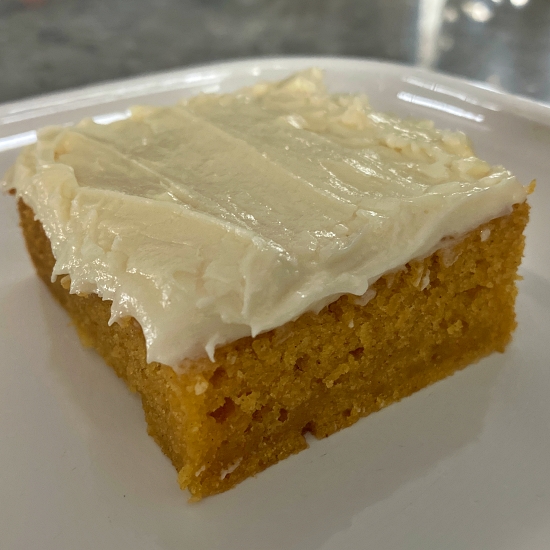
Pumpkin Bars
Sausage Upside-Down Pie
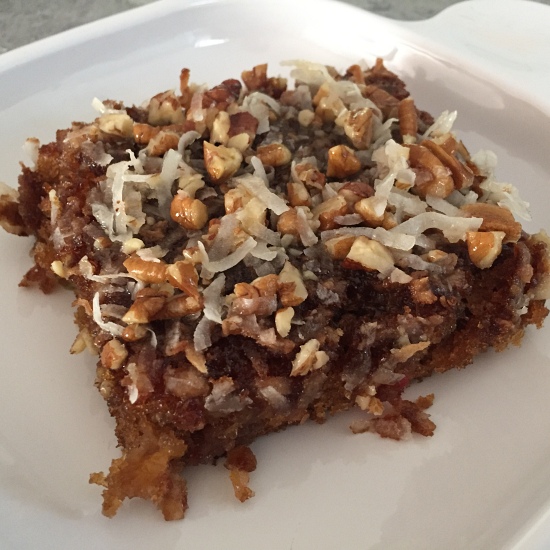
Grated Raw Sweet Potato Pudding
Popcorn Balls
Poached Egg on Toast
Apple Delight
Hattie's Icebox Rolls
Devil's Food Cake
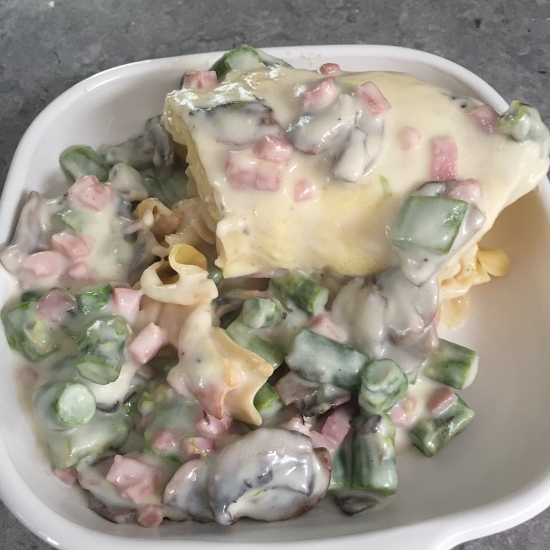
Creamed Ham, Asparagus, & Mushrooms
Barbecued Beef (a.k.a. Sloppy Joes)
Peach Muffins
Maple Nut Cake
Fruit Cocktail Cake
Meat Loaf
Hermit Cookies
Blender Carrot Bread
Tender Crust Dinner Rolls
Oatmeal Cake
Drömtårta (Swedish Dream Cake)
Nan's Coffee Cake
Tourtière (Meat Pie)
Pumpkin Bread
Sweet Buns
Swedish Almond Cream Cake
Nut & Raisin Sandwiches on Graham Bread
Spread Cookies
Boy Cookies & Girl Cookies
Brown Dumplings
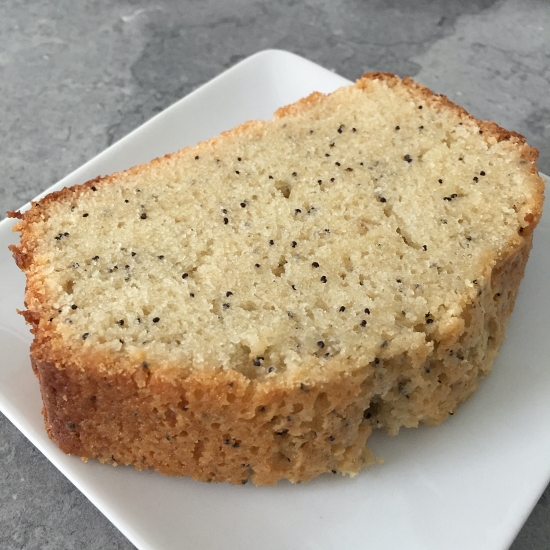
Poppy Seed Tea Bread
Smuckle Doodle Cake
Onions Stuffed with Sausage
Corn Oysters
Onion Shortcake
Viola's One-Course Meal
Beef Biscuit Casserole

Some of these recipes were delicious, some not so much. Some had great stories behind them or the person who submitted the recipe; and others, I just wasn't able to find any additional information.

Prior to starting this project, I was terrible at baking. I always seemed to screw something up. Cooking comes very natural to me because there is no real measuring or chemistry involved. However, a lot of the heritage recipes are for baked goods; and since this was an adventure, I just did my best.

I got a lot better at baking in 2021! Before posting the recipes, I would research things that I wasn't sure about (recipes from the 1800's have different wording than from the 2000's, for example; I wanted to make sure I was using the correct ingredients). I learned what "fast oven" and "slow oven" means; how sour milk differs from SOURED milk; that true graham flour is nearly impossible to find; how to make a noodle ring (and that there is a such thing as a noodle ring!); and that there are more recipes for meat pie than you could ever taste in a lifetime.

Some of these recipes REALLY surprised me in some way or another. Here are the ones that were notable:

Favorites We Tasted:

Poppy Seed Tea Bread - Jerry LOVED THIS and couldn't get enough of it! The extracts in it give it a very different flavor than you may expect, but it's really delicious. This is a quick bread, so it's very moist and dense, kind of like a pound cake. So good!


Fruit Cocktail Cake - I had no idea when I made this that it was actually a very common dessert back in the day, but wow, did it surprise me. This is one of the best cakes I've ever eaten!


MOST FAVORITE OF THE YEAR:

Pumpkin Bars - I am not normally a pumpkin spice type of girl. Pumpkin pie is okay, and pumpkin bread can be good. But for fall, I wanted to do something with pumpkin--so I made these pumpkin bars. And holysmokestheyarethebestdessertever--I don't believe I've ever made such a bold, 100% for-sure statement on my blog. You MUST make these! The texture (and the cream cheese frosting) is what makes these so amazing.


One that really surprised me with how much I liked it was the Creamed Ham, Asparagus, and Mushrooms. I love asparagus and mushrooms, but it was the "serve in a noodle ring" that really made this unique. I can't remember what I wrote about the noodle ring in the end, but I do remember thinking that I wanted to make the creamed ham, asparagus, and mushrooms into a chowder. I haven't done that yet, but this post reminded me of it--and I am going to put that in my planner.


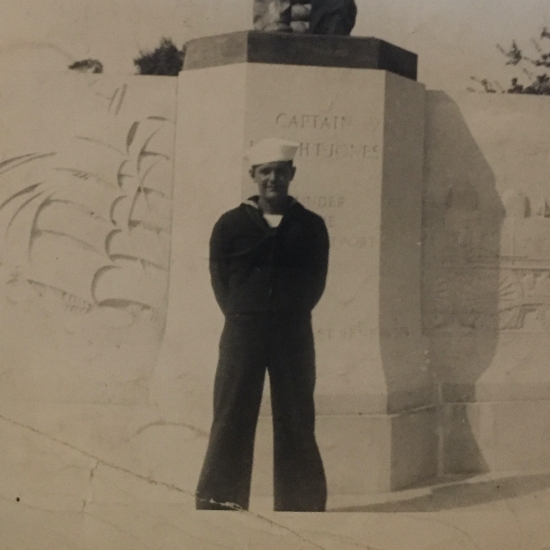
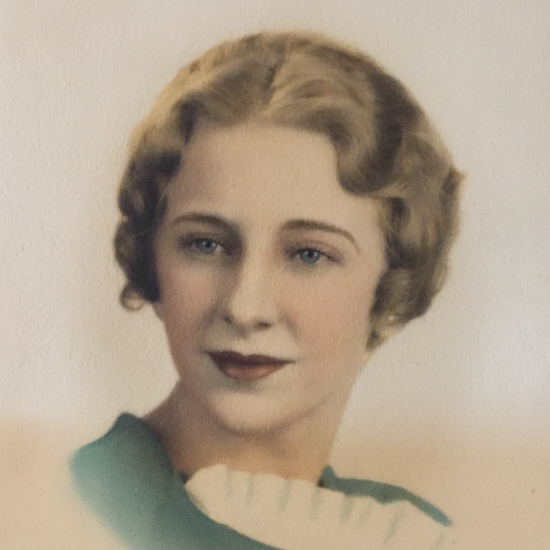
And as you know, I like to write about the person who submitted the recipe whenever I can. It's hard to remember (without going through all of them individually) who made what recipe and what I wrote about them. But my favorite one to work on was the recipe for Oatmeal Cake. I read an amazing news article about my grandfather (which is in that blog post) and it prompted me to want to learn more about my family.


I got together with my mom and my Aunt Mickey and we went through old photos; I loved hearing stories about my grandparents, mostly. (My grandfather died when my mom was just 16, so I never met him; and my grandmother had Alzheimer's while I was growing up, so I--ironically?--don't have many memories of her prior to her illness.)


This has been such a fun blog project to work on and I definitely want to continue until I've tried most of them. I would definitely be up for trying ALL of them, but I'm not exactly a hunter and I don't believe they sell muskrat at Kroger ;)

January 02, 2022

Books I Read in 2021


Ever since I got my Kindle Paperwhite a few years ago, I've been reading more and more. (I've mentioned God-only-knows how many times I love it!) The version that I have is now insanely expensive--it's the 10th generation--but the newer one can be found here on Amazon (affiliate link). I don't want to be redundant, so I won't list the reasons I love it, but you can find a review of it here.

Anyway, I wanted to make a list of all the books I read in 2021. I listened to some audiobooks while I was walking daily during the beginning of the year, but I'm not going to include them here. These are just the books I actually read. Here they are, in the order that I read them: (Amazon links are affiliate links; none of my blog reviews have spoilers)

'The Selection' (Book #1) by Kiera Cass - 5 Stars (Here is a link to my blog review)

'In An Instant' by Suzanne Redfearn - 3 stars (Here is a link to my blog review)

'It Could Be Worse: A Girlfriend's Guide for Girls Who Detest Running' by Beth Probst - 3 stars (Here is a link to a guest post with the author)

'West With Giraffes' by Lynda Rutledge - 5 stars (Here is a link to my blog review)

'The Caging at Deadwood Manor' by Sandie Will - 1 star

'The Elite' (The Selection book #2) by Kiera Cass - 3 stars

'The One' (The Selection book #3) by Kiera Cass - 3 stars

'The Evening and the Morning' (Kingsbridge series #0) by Ken Follett - 4 stars (Here is a link to my blog review)

'Looking for Alaska' by John Green - 3 stars

'The Guest List' by Lucy Foley - 2 stars (Here is a link to my blog review)

'One of Us Is Lying' by Karen McManus - 5 stars (Here is a link to my blog review)

'There's Something in the Water' by Catherine Steadman - 2 stars (Here is a link to my blog review)

'One of Us Is Next' (One of Us Is Lying book #2) by Karen McManus - 3 stars

'The Last Flight' by Julie Clark - 5 stars

'The Boy From the Woods' by Harlan Coben - 4 stars

'Don't Let Go' by Harlan Coben - 3 stars

'The Best of Friends' by Lucinda Berry - 4 stars

'The Girl Who Lived' by Christopher Greyson - 3 stars

'Then She Was Gone' by Lisa Jewell - 3 stars

'One For The Money' (Stephanie Plum #1) by Janet Evanovich - 3 stars (Here is a link to my blog review)

'Invisible Girl' by Lisa Jewell - 4 stars

'The Running Dream' by Wendelin VanDraanen - 4 stars (Here is a link to my blog review)

'She's Come Undone' by Wally Lamb - 4 stars (Here is a link to my blog review)

'Educated' by Tara Westover - 3 stars


And there you have it--I actually read 24 books this year! Before I got my Kindle Paperwhite, I would read maybe 1-2 books a year.

Out of these books, my very very very favorite was definitely 'West With Giraffes' by Lynda Rutledge. I was completely fascinated with it and I even bought a copy for my dad to read because I knew he'd like it, too.

It's really interesting that I even read it, because it was a "First Reads" book from Amazon, which are usually not-so-great books (I rarely read them.) As a Prime member, you get to choose one per month for free (usually they have about 6-8 to choose from). The ONLY reason I read it is because I was doing the Friends-themed read-athon and I had to read a book about animals. It's now in my Top 10 Favorite Books of All Time.

(My sister was concerned about reading a book about animals because she didn't want to read about animal abuse or anything like that. I don't want to post spoilers, but if you're concerned about it, you can check out my review on Goodreads and I will answer it there without any real spoilers.)

Other books I recommend:

For a fun young adult book, 'The Selection' by Kiera Cass was great.

For a mind-blowing book that will really stick with you and is great for discussing at a book club, 'One of Us Is Lying' is perfect for that.

For a oh-my-gosh-I-can't-put-this-down book, 'The Last Flight' fit that description for me.

For a drama/mystery that really makes you stop and think about what you'd do in that situation, I recommend 'The Best of Friends' by Lucinda Berry.

For a very heart-warming book with all the feelings, definitely check out 'The Running Dream' by Wendelin VanDraanen.

January 01, 2022

My Goals for 2022


Yay for a new year! Even though today is no different than yesterday (just like when I turn from 39 to 40 later this month, I will be the same person the day before as the day after) I absolutely love what feels like a completely fresh start for the next 365 days.

As you know, I also love to set goals for the new year. Call them the cliché "New Year's Resolutions", but I can't help but feel excited about the clean slate lying in front of me--a whole year!

I wrote yesterday about the goals I made last year and whether I completed them or not. Last year was not a good year for me--at all. Not only because of the goals, but because I felt like nothing was going right. I was in a lot of pain all year long and after 10,000 tests, I still don't really have an answer other than "fibromyalgia". I've finally accepted that it's likely not going away, so I'm going to have to learn to live with it. But it really did make last year suck. 

Starting a brand new year today is exciting! It doesn't resolve a lot of issues--like the pain--but it does make me excited to work on new goals. In my new planner for 2022, there is a space to write out five main goals--long-term ones that require baby steps--so here are my goals for 2022...

1. Lose the rest of the weight I gained over the last few years. Ideally, in a perfect world, that would be to get my weight down to 130-135 pounds. But I won't really know until I get there. I'm stating my goal as 133, but I just want to feel comfortable in my body and my clothes, and I want to be able to maintain it without a constant battle. So I need to work on habits that I can maintain forever.

Interestingly, I have a new focus for my diet this year (when I say "diet" I mean a day-to-day diet, not a short-term way of eating in order to lose weight). I do plan to count calories (the only thing that's ever worked for me long-term), but I want to focus heavily on getting more fiber.

I think that adding fiber will be an alternative way of saying that I'm going to "eat healthier"--eating healthier is such a generic phrase. I don't want to quit eating my favorite foods, so I'm just going to start focusing on making my favorite meals that happen to have a lot of fiber. I have a lot of recipes that have beans and lentils and brown rice and peas; I also happen to love fruit. Eating a bunch of recipes I don't enjoy simply because they have a lot of fiber would just fail quickly, so by making foods that I already love (which just happen to have a lot of fiber), it'll be much easier.

I also want to drink 4 liters of water a day. I got out of the habit of drinking water at some point (I used to drink a ton of water) and I always feel better when I am well-hydrated. My hands feel puffy when I don't get enough water and I hate that feeling! So I'm going to try to drink a liter of water four times a day.


2. Run at least 3 miles, 3 days a week. When I got back into running earlier this year, the 3 miles, 3 days a week was working really well. Once I tried changing things up, I didn't do so well. I'd love to be able to follow a running plan with a goal, but for now this will be best for me. When I first started running way back in 2010, my "rule" was to run 3 miles, 3 days a week. It doesn't amount to much, but it's definitely more than nothing! And maybe I'll get the urge to train for something again one day.


3. Work on practicing people's love languages. If you haven't read the book 'The 5 Love Languages', I can't recommend it enough. It is life-changing and especially relationship-changing (for the better). I even bought the Love Languages book for teens for my kids to read. I know Jerry's and the kids' love languages so I've been putting them into practice as much as possible. I'm especially terrible at physical touch; to some people, hugs and kisses come so naturally. I really wish I was one of those people! I want to work on it.


4. Start moving my body first thing in the morning. My pain is the worst when I wake up in the morning, so I am usually inactive--I sit and read a book, watch TV, play a game on my phone, or something else that's unproductive until my body doesn't feel so stiff and painful. I'm hoping that by doing something active in the morning, I'll feel better faster: start laundry, prep dinner, walk Joey, run, do back stretches, etc.


5. Work on people skills. I am terrible at meeting new people or making small talk; I have horrible social anxiety. I want to work on this so that I can feel more comfortable with it. It's not exactly ideal, considering COVID has made social interactions very restricted, but I'm going to do my best when I have opportunities.


And there it is! I think these are good goals to work on throughout the whole year--not just the black and white one-and-done type goals. Today went really well! It's only one day, but I already feel good. Let's hope the rest of 2022 follows suit ;)

December 31, 2021

Top 21 of 2021


This is a post I've written every year. You can find all of the previous years' posts here:

Top 11 of 2011
Top 12 of 2012
Top 13 of 2013
Top 14 of 2014
Top 15 of 2015
Top 16 of 2016
Top 17 of 2017
Top 18 of 2018
Top 19 of 2019
Top 20 of 2020

It's a lot, I know. But I think I'll go through them when I get some time and look at all these highlights of my life from the past 10 years. I like that I started doing Friday Night Photos sometime this year because it kind of recaps my week (when I remember to take photos). And then these posts on December 31st each year are the most significant things (in my eyes) that happened that year.

When I told Jerry what my post was going to be today, he said, "That's beyond difficult, because 2021 sucked ass." Yep! That about sums it up, haha.

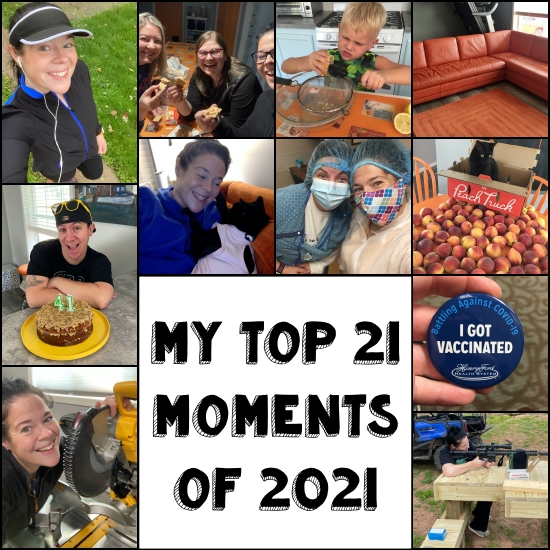
So here goes... my Top 21 of 2021. (In no particular order...)

1. Jerry and I celebrated our 18th wedding anniversary; and the 22nd anniversary of our first date! He's still my most favorite person.


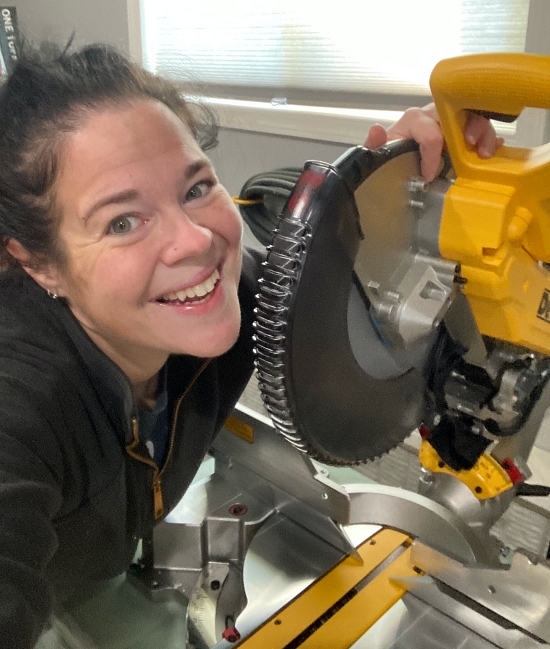
2. I splurged on myself after saving up some money and bought my dream miter saw: a Dewalt Dual-Bevel Sliding Compound Miter Saw. Haha! I have LOVED using it.


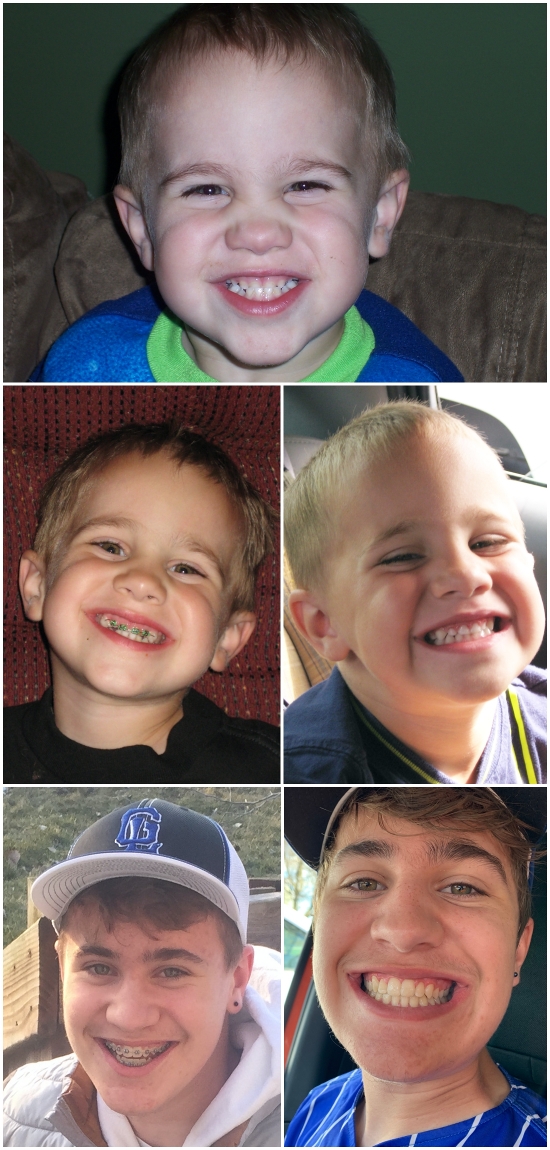
3. Eli got his braces off! And a few months later, we paid them off in full. This is a VERY expensive smile, but totally worth it! ;)  (He had braces at age three because he used to choke on his food--his molars wouldn't come together. Then he needed them again as a teenager.)


4. I got to witness my new nephew (to be born in April) be transferred from tube to his home for what we hoped would be the next nine months; he was just an embryo, and then Laura asked me to go with her to her appointment for the embryo transplant. I was SO interested and excited about it. I watched on an ultrasound while they "deposited" the embryo into Laura's uterus. How many people get to witness something as cool as that?! We didn't know if it would actually work (I forget what the odds are of the transplant being successful) but we learned a few weeks later that it worked and Laura was, in fact, pregnant. And recently, we discovered that it's a boy--his name will be Hunter.


5. In July, my entire family--Nathan, Shawn, Jeanie, Dad, Mom, Luke (up top), Brian (holding Luke), Becky, Riley, me, Jerry, Eli, and Noah--had family photos taken at my sister's cabin up north. We celebrated my parents' 50th wedding anniversary.


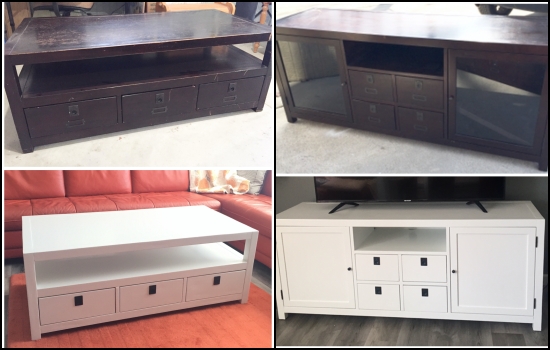
6. I completed one of my most favorite projects to date: making over these two pieces of Pottery Barn furniture. (These were VERY expensive if bought from Pottery Barn; I bought the set on Facebook Marketplace for $100!). I LOVE how they turned out!


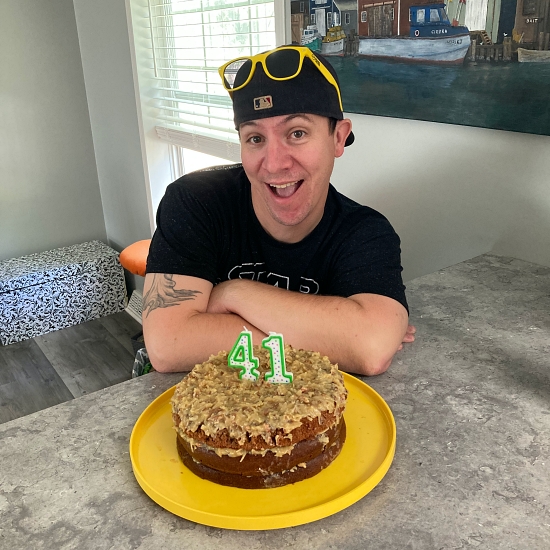
7. I made a German Chocolate Cake from scratch for Jerry's birthday. It's his favorite cake and they are a bitch to make from scratch, so I'd only ever done it once before. I surprised him by making one this year and it turned out to be AWESOME.


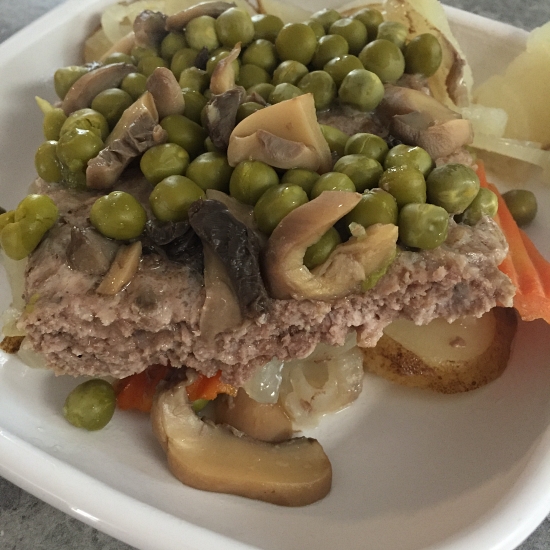
8. I started the Heritage Recipe Collection on my blog and it's been super fun--not only to make old recipes (this one below was definitely an interesting one)--but because I've learned a ton about my own family and the people who lived in the small town where I grew up.


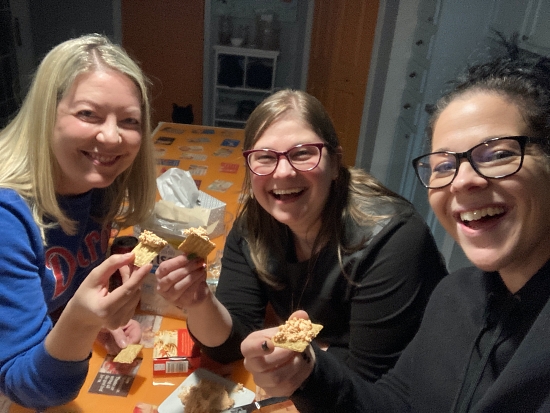
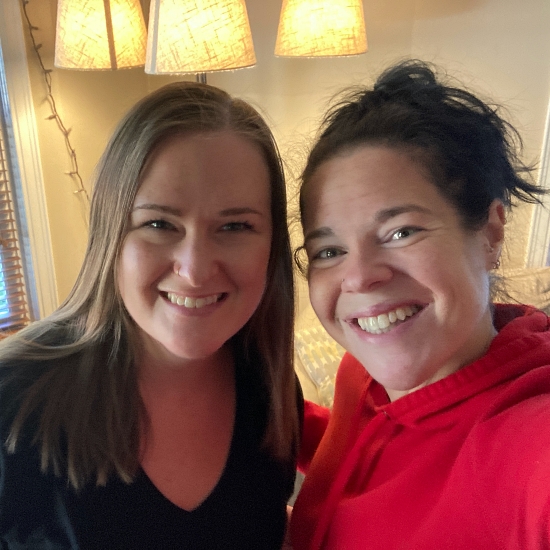
9. My friend Allison visited from Seattle (we were next-door neighbors all through high school, but I've only seen her a handful of times since). Our friend Jenni came over as well--it was a fun little reunion!


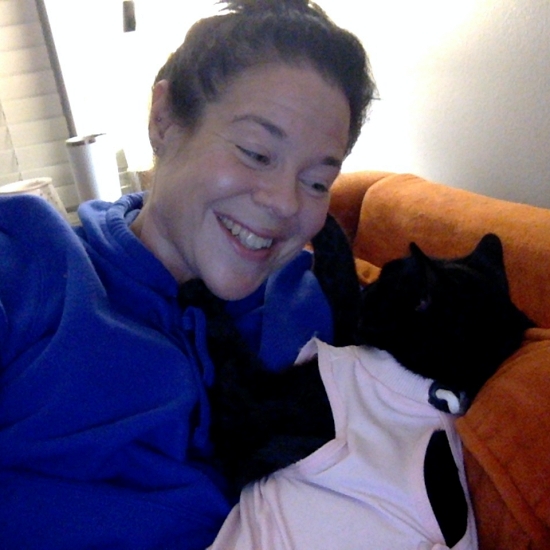
10. My little Duckling is totally back to normal after his emergency surgery and then his subsequent virus and bacterial infections. He ate a piece of yarn and that stupid piece of yarn ended up costing about $3,000 in vet bills this month, and a WHOLE LOT of tears. I was miserable while he was staying overnight at the vet for several days. I'm just so glad that he's home and back to normal. The other cats (who got the virus Duck had) are all doing well now.


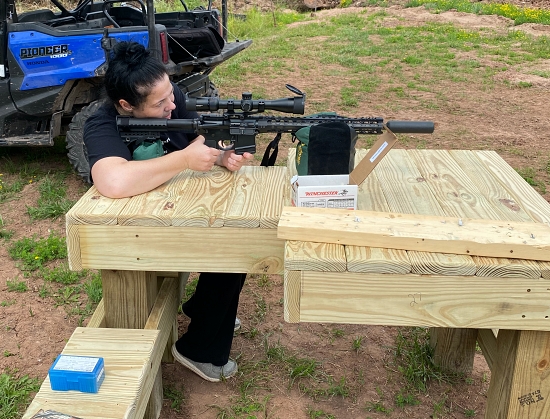
11. I got to shoot my brother's something-or-other rifle (I know NOTHING about guns) while I was up north, and for some reason, I just find it so fun when I get to do this! We lined up a bunch of cans on the other side of the pond and I used the scope to snipe them one-by-one, hahaha. I was actually really good at it! (It's hard not to be when you have the special scope/gun/whatever that Nathan has.)


12. I finally made the three-hour drive across Michigan to visit my friend Emily! I've been wanting to do this for way too long, but my anxiety kept from actually doing it. It was nice to see where she lives and to meet her "baby" (I put that in quotes because he's not really a baby anymore--he'll be one in a couple of weeks!)


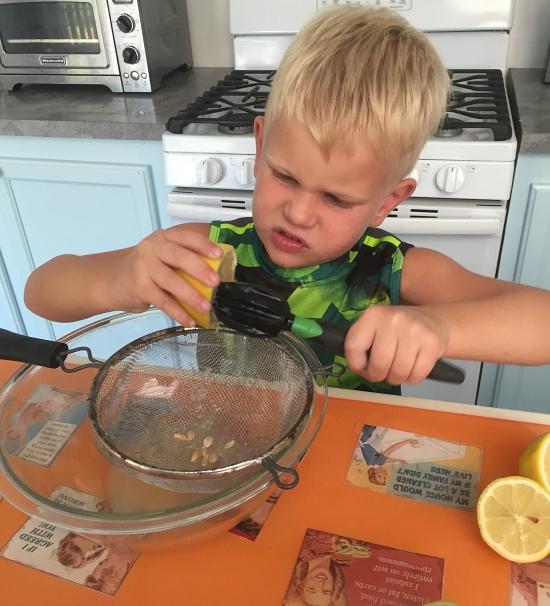
13. I made fresh-squeezed lemonade with Luke. I've always wanted to make fresh-squeezed lemonade and one day he asked me about making it. I decided to have him come over on his own so just the two of us could do it. It turned out delicious! (Clearly he worked hard to get the lemon juice out.)


14. This is my most favorite find on Facebook Marketplace! I had been wanting an orange leather sectional (which, as you can imagine, is hard to come by--especially without special ordering one). I would search Marketplace every so often, hoping to find what I was looking for. Finally, I found THIS: an orange Italian leather sectional (with the chaise on the right side, which was ideal for my living room set-up). Jerry and I took a road trip to go pick it up (we even rented a truck). This is a $6,000 sofa and I got it for $1,100! I was truly giddy with excitement. 


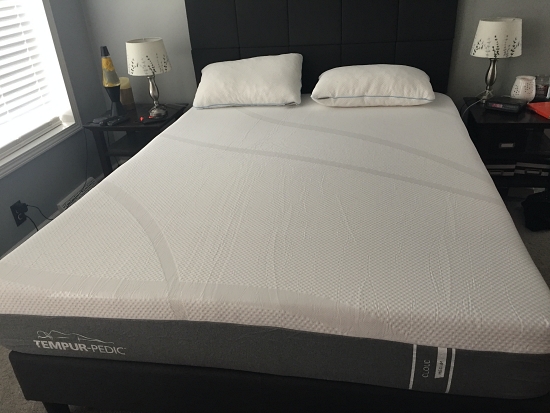
15. Jerry and I got a new Tempurpedic mattress. We had one for our entire marriage up until fall 2020; then we tried out a different brand (Saatva). After the initial newness of having springs wore off, I really didn't like it. Thankfully, I was able to get a refund for it and I bought a Tempurpedic for just about the same price. It's SO comfy!


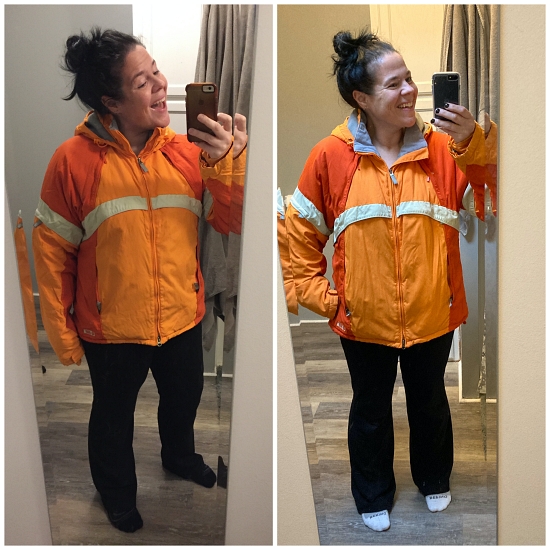
16. I found an orange coat that is identical to my previous one that I had and loved so much (until Joey chewed it up right after we got him). You can read the full story of this coat and why it's such a big deal on this post. This picture is just showing how my weight loss has affected the fit. It felt too big, so I managed to find another in a size down on Poshmark for $10. I love this coat!


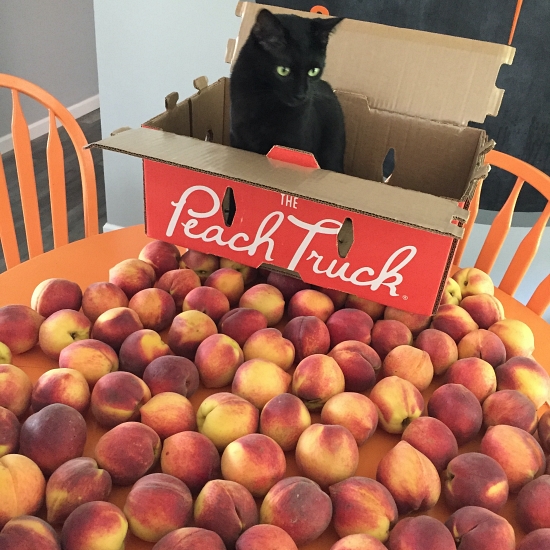
17. I bought a TON of fresh peaches from The Peach Truck! In Georgia, they pick the peaches super early in the morning and load them onto a truck--then they drive it to different locations, making stops to sell the boxes of peaches. I've always loved peaches, but THESE put every other peach to shame--I'm definitely going to buy more when the truck comes around again!


18. I got to experience some nostalgia when I babysat Luke and Riley early one morning and I made them poached eggs on toast--something my favorite aunt used to make for me every single day before school when I was a kid. It was fun getting to make it for Luke and Riley--who loved it just as much as I used to :)


19. I started running regularly again! (Although, it's been over a month since my last run; December has been a terrible month for me. I am at the point now where I can make it a priority since all the cats are healthy again.)


20. I managed to nurture this squirrel back to help with Ivermectin paste. I would dose a tiny bit on a walnut once a week and I loved seeing that it was working--his fur was growing back! The picture from January 31 was when I first saw him. After that, I read on the DNR website about Ivermectin and then started treating him. Now I call him patches, because his fur looks a little patchy in color!


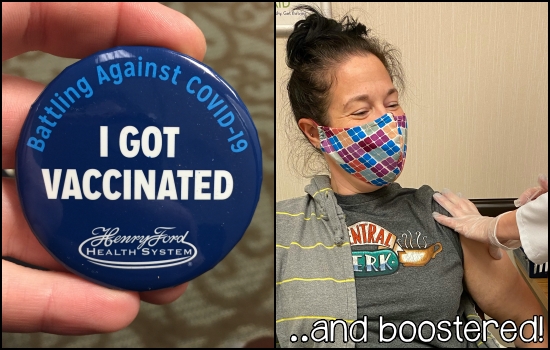
21. I am so so so grateful that I was able to get vaccinated for COVID in May. My whole family got both doses, and I'm super thankful that none of us has gotten COVID (let's hope it stays that way). Jerry got his booster a couple of weeks ago, and then this past Monday, Noah and I went to get our boosters. (Eli can get his after he turns 16 next week.) After talking to my sister (and reading her guest post--if you haven't seen it, definitely check it out!) I feel confident that even if I do end up getting COVID despite the precautions I've taken, I'll probably only have mild symptoms. It gives me peace of mind; one less thing to have anxiety about, haha!


Even though I have to say that 2021 sucked (I think it was worse than 2020 in many ways), I was still able to find a lot of positives about it--I actually had to narrow down my pictures from 39 to 21! Yes, a lot of these are seemingly meaningless, but they were things that made my list because they made ME feel good.


Jerry and I took the plunge and joined a 6-month DietBet together. I was so unsure about it because at this weight, it'll be hard to drop 10%. But since I've gained some in December, I think it's very do-able. And it will help me get back to the habits I'd been doing before this whole month went to shit.

I can't believe how many people are participating in this DietBet! The last 6-month one that I did had 400-something participants and this one has nearly 2,500! (Here is the game that Jerry and I joined, if you're interested.) I'm really surprised at just how much it helped me to stay on track this year. Let's hope that by summertime, I'll be back down to my comfortable weight :)

December 30, 2021

How I Did With My Goals for 2021

Every year, I set goals. I love to think big and write out goals that seem so ideal at the time. And my favorite time of year to do this is at the very end of one year and start working on them January 1st (yes, it's totally cliché). I already have an idea of what my goals will be this year, which I'll write in a couple of days, but for now, I thought I'd look back at my goals for 2021 and see how I did. Because I sure as hell know that I didn't complete many (if any at all!) of them. I think this year was rough. But let's see... 

My 2021 goals were as follows: 

1. Get my weight back down under 144. I planned to do this via intermittent fasting as well as drinking more water and giving up alcohol. I gave up alcohol in 2019 as an experiment, and then in 2020, after drinking again, I realized I really did feel crappier. So I decided to give it up again for 2021 (and beyond).

Well, I did not get my weight back down under 144. I am not considering this a total failure, though, because I managed to get my weight down to 154--losing 43 pounds from May. I did this with calorie counting, not intermittent fasting. I really like IF but it just doesn't help me with weight loss. After a really crappy December, my weight is back up to about 159, but it's still a far cry from where I was last year at this time (or even just in May of this year).


I can't say that I drank more water this year, but I DID quit drinking alcohol. I got a late start on that--my last glass of wine was on February 14--but I'm still going to consider this a success. Alcohol always helped me to feel less anxious; I still haven't found an alternative to help my anxiety, though, so giving up alcohol was tough. I'm proud of myself that I have stuck with it, especially considering this past stressful month I've had. To relax with some wine would have been so nice! (I plan to continue to stay sober indefinitely.)

2. Continue my streak of walking five miles a day.

I broke my walking streak on March 3 after walking 225 days in a row (5 miles each day). I tried my very best to keep it going, but there were two things that derailed me: 1) I knelt down onto a screwdriver and really messed up my right knee; and 2) I developed the mother of all blisters and I just couldn't go on. I wrote a whole post about it here.

3. Start stretching after my daily walks.

This is something I just never got into. I had really started to feel the daily chronic pain at this point and I thought the stretching would help a lot. But it's really hard to get motivated to stretch when you're in pain. I do plan to work on this for 2022 because the pain has gotten worse and I still don't have answers for it. 


4. Continue to blog daily.

Finally! A goal that I actually managed to do for the second year in a row. This is NOT an easy task, especially when I have a bad day and I just want to curl up on the couch and forget about everything. And I've been thinking more and more about whether it's time to quit the blog--I just don't know. For now, though, writing every day has kept me from simply quitting. I know that if I start skipping days, I'll eventually just stop writing altogether. I don't think that's necessarily a bad thing, but I don't know if I'm ready for it yet. (Today will be 364 posts and tomorrow will be my 365th for 2021.)


5. Develop a routine and stick to it. A big part of this was to learn not to let an unexpected event throw off my whole routine.

I've learned that when you make a routine, God just laughs and throws a wrench in your plans. I've tried so hard to develop a routine--I thrive on day-to-day routines, which is common with bipolar disorder--but it's very hard for me to get back to it when something is unexpectedly thrown off. So, my "routine" is just as bipolar as I am, haha. I definitely did not meet this goal.

6. Do one project per month--knitting, crocheting, sewing, woodworking, etc.

I actually forgot about this goal! I didn't keep track of my projects, but if I had to guess, I would say that I probably completed about 10-12 this year. I mostly did woodworking, but I also sewed a couple of things. I can't remember if I did any knitting or crocheting (I don't think so). My carpal tunnel syndrome flares up when I do a lot with my hands and the knitting/crocheting is definitely one of those things.

Well, I just went through my photos from 2021 and I found at least 25 projects! Everything from crocheting baby flip-flops to doll bunk beds to flipping furniture to making peach jam. These just just some of them:


My very favorite project, though, was what I made Jerry for his birthday. It was a ton of work but very, very worth it!


7. Get more sleep. In bed by 11 PM, but if I really want to, I could read or something in bed until midnight. 

Hahaha! This is like telling a pitcher to "throw strikes". It doesn't matter how hard I try to get more sleep, my body is just going to do what it wants to do--and sleep is not one of those things. I feel like having a daily routine would probably help, so that's something I can always aim for; but again, I think I would really have to focus on what to do when my routine gets disturbed. Creating the routine is easy; but sticking to it when things come up is the part that I need to work on most.


I wouldn't consider my goals for 2021 a total failure at all--I am happy with my weight loss, being sober, that I've continued to blog every single day, and that I've completed about 25 projects of some sort or another.

I'm excited to write a post about my new goals for 2022! Tomorrow's post will be difficult--on New Year's Eve, I always write about my "Top XX of XXXX" (tomorrow will be my top 21 of 2021). Each year it gets bigger and bigger. When I started, I think it was my Top 11 of 2011. This year has not been great, so I'm just hoping I can come up with 21 items! (I do have this same thought every year, though, and once I start going through photos, I can find lots--so we'll see.)

December 29, 2021

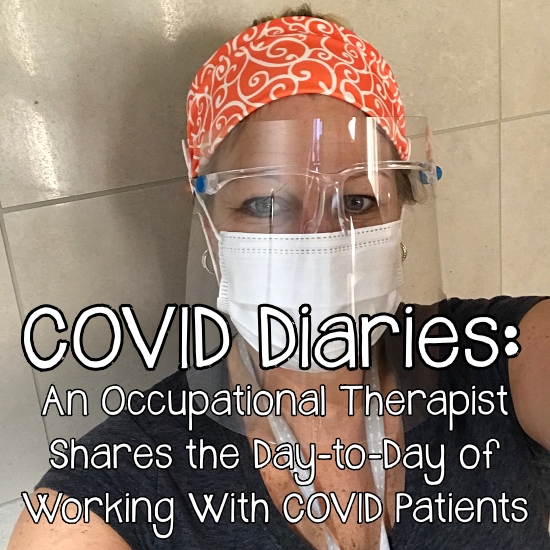
COVID Diaries - An Occupational Therapist Shares the Day-to-Day of Working With COVID-19 Patients (a guest post by my sister!)


(Note: This is one of the longest posts on my blog, but I promise you it is worth reading the entire thing through. I didn't want to edit it down at all because I find it fascinating. So wait to read it until you have 15 minutes or so.)

I am SO excited to share this guest post today! For the last year and a half, COVID has obviously been the most talked about topic pretty much everywhere. We have all heard of the numbers--how many have tested positive that day or which country is being hit the hardest, or what the death toll is. I feel very fortunate that nobody very close to me has had to be hospitalized due to COVID.

Something I've realized, though, is that because I don't see the effects with my own eyes, it's hard to truly understand the devastation it has caused--not just in the people who have survived COVID, but in the families who have lost people, the people who will have long-term complications, and especially the mental health of the front-line workers.

I haven't been inside of a hospital since before the pandemic so I have no idea just what it looks like and how it's changed. When I started this COVID Diaries series, I really hoped I'd be able to hear from someone that works closely with COVID patients. I wanted to hear the "realness" of what is happening and not just see the numbers on the news. I wanted to be able to know what it actually involves and what the full process is.

Interestingly, the guest post that answers a lot of my questions is written by none other than my very own sister! She lives in Illinois, so I don't see her nearly as often as I'd like, but I was thrilled when she said she'd like to write this post.

There are a couple of things I want to point out before I turn it over to her:

1) This is not a political post and I do not want to bring politics into it at all. Nor do I want to turn this into a debate about whether to vaccinate or not. Normally, I publish every comment that is written on my blog (minus the spam) but I won't be publishing political comments here. This is just a post of my sister's experience of what she sees and deals with every workday and I'm grateful to her for sharing her thoughts.

2) This is written following all HIPAA laws--my sister doesn't use any identifying information or photos. She takes that very seriously. (The photos that show the different types of oxygen masks can be found online; I've linked to the sources. They are not my sister's photos).

Okay, enough from me. Introducing my sister, Jeanie...


My name Jeanie and I am Katie’s sister. I work as an occupational therapist at a level 1 trauma hospital. I am writing this guest post in the hope of giving insight as to what it is like to work in a hospital during the COVID-19 pandemic. As a disclaimer, nothing I am writing has anything to do with politics or my own personal beliefs. Everything I will include in this post is what I see with my own eyes in this occupation.

I am confident in saying that many healthcare workers are completely fed-up with reading inaccurate information on social media from people who have no affiliation with the medical or science field but continue to re-post this misleading information. (I could make that into a whole post by itself, but I will stop there).

If you are not familiar with an occupational therapist, an OT can work in several different settings: homes, schools, outpatient clinics, mental health centers, hospitals, etc). Personally, I think the word ‘occupational’ should be changed to ‘functional’. We should be called Functional Therapists because our goal is to help patients return to their daily lives: dressing and feeding themselves, writing their names, dialing a phone, opening medication bottles, managing their oxygen cords while walking, etc.

As an OT in the hospital, the job details can change drastically depending on which unit I am working. Occupational therapists and physical therapists work together with patients in a lot of situations. If I am in the intensive care unit (ICU) and the patient is on a ventilator, we (the PT and I) may just be working with a patient on balance/tolerance to sit upright—the eventual goal being that the patient will be able to sit up and wash their face, for example.

Or if I am working on the orthopedic floor, then I may be teaching someone how to use long-handled tools so they can dress themselves without bending over after having a hip replacement.  

A big part of my job at the hospital is to help determine where the patient should go once they are ready to the leave the hospital. Are they safe to go home? Do they need home care? Do they need intensive rehab at a facility? Do they need long term care? The rest of the medical team relies on the therapists for the appropriate recommendations. (This causes a lot of stress because you want to make the correct decisions.)

For COVID-19 patients there is a spectrum of care:

The most critical is the ICU (intensive care unit). From there, it goes down to step-down ICU (SDICU). Then there is the cardiac floor or general floor (depending on the severity of the illness).  

General Floor

From what I have seen, patients on the general floor may or may not have been vaccinated for COVID-19 (most are unvaccinated; some are vaccinated but are overdue for a booster shot). The patients on the general floor are on a low amount of supplemental oxygen, usually no more than 6L (liters).

These patients can typically tolerate some daily activities. (As a frame of reference, people on oxygen at home are usually on 2-4L.) When I work with these patients, I usually teach them energy conservation strategies (moving slowly, pacing oneself, pursed-lip breathing techniques) and how to incorporate those into daily tasks.

For example, I may educate the patient on how to take a shower without becoming completing exhausted: using a shower chair; keeping the bathroom door open and overhead fan on to circulate air; keep the oxygen flowing during the shower; cross legs to wash feet or use a long handled sponge to avoid bending forward; and other things like that.

Once the patient is educated, I will have them complete the task while I monitor their incorporation of what was taught. I also keep an eye on their vital signs before and after the shower and monitor them for any signs of inability to tolerate the activity. Many patients are VERY happy to finally take a shower but also are grateful for strategies that will help them at home.   

Cardiac floor

Covid patients on the cardiac floor are typically more ill and have increased oxygen needs due to COVID pneumonia (this is where sacs in the lungs fill with fluid, limiting the ability to take in oxygen).

Many of these patients also develop additional medical issues. It is not uncommon for COVID patients to develop blood clots or pulmonary embolisms (PE) or even to have a stroke. So these patients present with COVID and now also have a PE; or have COVID and now have a new stroke. 

The therapy for these patients varies greatly. Some can only tolerate seated exercises in a chair; some work on energy conservation techniques with daily activities; some learn to manage an oxygen cord while walking with a walker (these patients will likely be able to go home now with oxygen).

It is more challenging to treat patients who have COVID and subsequently had a stroke. The amount of personal protective equipment the staff wears in the room becomes very warm, very quickly. Physically assisting patients to sit up on the edge of the bed or transfer to a chair will leave the therapist(s) sweating. A lot of times, these patients are on a blood thinner medication and want the thermostat all the way up, making it even warmer in the room.

Step-Down Intensive Care Unit (SDICU)

Most of our patients on step-down intensive care unit (SDICU) have severe COVID pneumonia and are on heated high flow oxygen (HHF) or on a BiPap machine to help them breathe.

While the patients on the general floor are on 6L or less of oxygen, the patients on SDICU are on typically anywhere from 8L to 40-60L of oxygen, depending on the oxygen levels in their blood. The oxygen meter hooked up to the wall (like you see in a doctors office) goes up to 15L.

If the patient requires more oxygen than that, they go on the HHF or BiPap. These machines allow a higher liter-per-minute delivery rate as well as the ability to change the percentage of oxygen delivered. I will try and keep this simple but the lowest level to highest level of oxygen looks like this: (Note: these are not photos of my sister's patients; I've linked the sources to the photos below them)

1. Room air (no oxygen required)

2. On a regular nasal cannula hooked up to the wall (up to 15L). This is just the tube that you see people at home with—where it delivers oxygen into your nostrils.
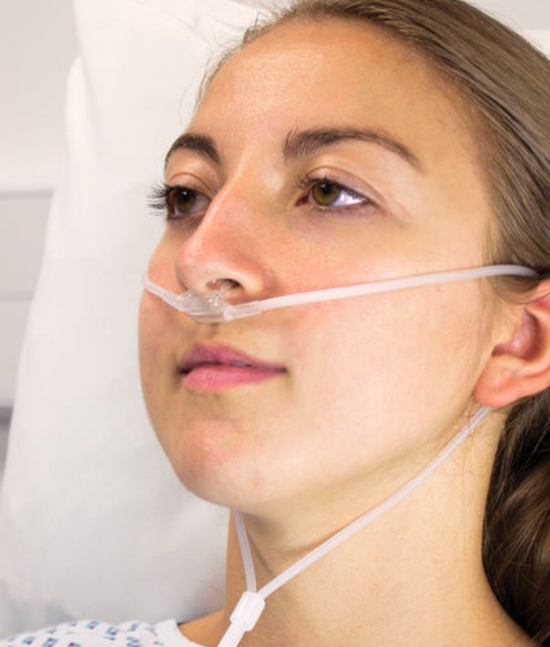
Photo of a nasal cannula - source


3. On heated high flow (up to 60L, 100% oxygen) given through a special high-flow machine and special nasal cannula that can deliver that amount of oxygen. These patients are in the SDICU.

Photo of a heated high-flow oxygen machine - photo source

4. BiPap. This is a mask that has velcro straps that tightens the mask over the nose and mouth and uses high pressure to force the air into the lungs. Patients find it to be very uncomfortable because the amount of pressure needed feels extreme. These patients are in the SDICU.
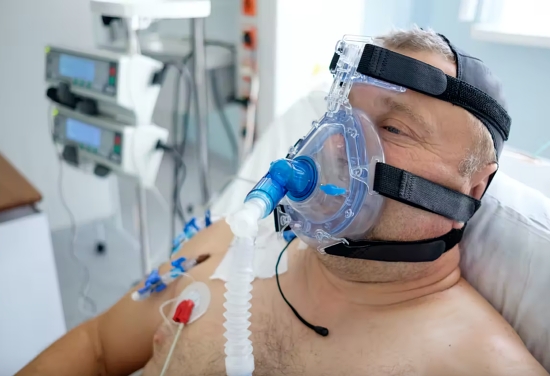
Photo of a BiPap machine - source


5. If the patient can’t keep the oxygen levels up with BiPap, the only step left is to be on a ventilator. This is a machine that does the breathing for the patient. These patients are in the ICU where the main goal is survival.
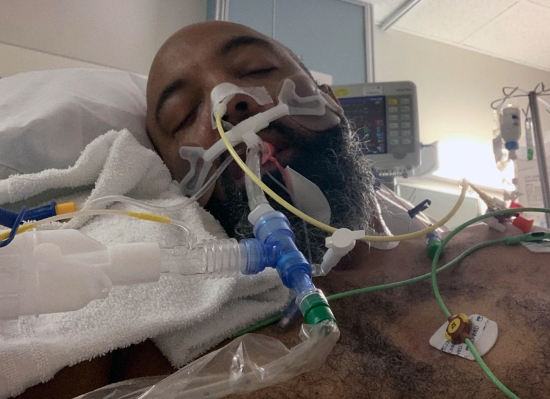
Ventilator - photo source (this is a great article to read!)


Tracheostomy (a surgical hole in the throat) for a ventilator; used for long-term vents

Treating patients in the SDICU is extremely tricky. The main goal is to keep their blood oxygen levels up. (For reference, a healthy oxygen is about 95-100%.) These patients’ oxygen levels tend to drop very quickly with any movement.

It is not uncommon to go into a room and the patient has oxygen levels of 92% when they are on their stomach. Lying on their belly (called ‘proning’) is encouraged because it has been shown to help improve oxygen levels. But if they roll over, stand up, or get onto the commode, etc. their oxygen may drop into the 70s (or even 60s) very quickly. This is scary because it tends to take a long time for COVID patients’ oxygen levels to come back up.

This is why we encourage patients to use pursed-lip breathing (breathe in through the nose and blow out the mouth), move very slowly, and take rest breaks instead of rushing though the activity (which may just be getting up from the chair). If the patients’ oxygen levels do not come back up into the high 80s or low 90s, then we usually have to give the patient more oxygen to help with that.  

I treated a woman who was in the SDICU and was on 8L of oxygen. Her oxygen levels were 94% in bed. She needed to use the toilet, and just by getting up to the commode, her oxygen levels dropped to the 70s. Over the course of 13 minutes, I gradually increased her oxygen to 15L. Her oxygen level was still only in the mid 80s. At this point, she had to go back on the heated high flow machine or prone in bed to get the numbers back up. (This patient laid face-down and the numbers did come back up).  

These patients are usually (and understandably) anxious—some say they feel like they are drowning, or that they can’t get a good breath. They either want to see the monitor so they can see what their numbers are, or some ask that the monitor be turned away and alarms turned off because knowing the numbers increases their anxiety.

As a therapist, we are trying to prevent the patient’s body from becoming de-conditioned during long-term hospitalization (when your body is lying in a bed for so long, it becomes difficult to move and function as you did previously); prevent bed sores by having them change positions; improve digestion and prevent constipation by having them sit up for meals; and help improve circulation to prevent blood clots.

However, we also know these patients have a hard time maintaining good oxygen saturations (like I said, it can change very quickly) and we don’t want to “push” the patient because if their numbers stay low, they may have to change from nasal cannula to high-flow or high-flow to BiPap. We use extreme caution when a patient is on BiPap because the only step left is intubation if the oxygen levels don’t stay up.

These patients cannot tolerate much activity and even if the patient is physically able to walk in the room, the machines (HHF and BiPap) have limited cords/tubing; this prevents us from helping the patient walk any distance. They can usually walk a few feet forward/back within the range of tubing.

As the OT, I may work on simple arm/leg exercises; or bathing/grooming in attempts to get the patient to improve their endurance by participating in simple tasks.

Intensive Care Unit

When worse comes to worst, if patients are not able to maintain their oxygen levels on BiPap, then the only step left is being put on a ventilator. Some patients (or family members who have power of attorney) choose to refuse the ventilator, even though they know the outcome will be death.

This is a horrible horrible situation for families and is a strong reason why people should have a discussion with loved ones about what their wishes are if they are ever in this situation (not just with COVID, but with any situation that may arise).

It is not uncommon for many of the vented patients to end up needing a feeding tube and a tracheostomy (a hole in the throat) which is then hooked up to the ventilator. Many vented patients go into multiple organ failure and may require continuous dialysis at the bedside. 

Once a COVID patient is in ICU on a ventilator, I don’t see them for therapy. They are usually prone for up to 18 hours a day and the goals of care are focused on patient survival.

Occasionally, I will help the medical team “prone someone”. This usually requires 4-5 staff members at once—one needs to be the respiratory therapist, who manages the ventilator tubing coming from the patient’s mouth, and rest of the team forms a type of “cocoon” around the patient with two bedsheets.  On a specific count, everyone works in synchrony to roll the patient onto or off of their belly.

It sounds simple, but remember… you are managing multiple IVs, a central line, a foley catheter, vent tubing etc. Also, some of the patients are very heavy, which further complicates the process.  

If the patient continues to decline once they are on the ventilator, the palliative team will usually talk to the family to give them insight into what the prognosis is and what the options are moving forward (tracheostomy for ventilation, feeding tube, dialysis).

Many families chose to withdraw care from their loved one when they realize survival is unlikely and it will cause undo suffering if they continue aggressive care. Withdrawal of care is common if a patient is on BiPap but still unable to keep the oxygen levels up and has noticeable labored breathing, agitation, etc., and it has been determined through the patient and/or family that they do not want intubation.

At my hospital, families are allowed to visit for end of life (some are allowed in the room and some are not, depending on various factors). The nurse explains to the family what to expect when they withdraw care, and when the family is ready, the nurse will administer medications to help keep the patient comfortable before withdrawing the BiPap (or ventilator). At that point, most COVID patients pass away very quickly because their body has been fighting shutting down for some time.  

I had a patient who did not want to be intubated but was agreeable to BiPap (this is not uncommon). The patient “fought” for his life and I remember hearing him beg his nurse “please don’t let me die”. The nurse responded, “I am going to do everything I can to help you survive”.

Days later, the patient was in obvious respiratory distress and the family came up to the hospital. I brought them chairs so they could sit outside of his room (which had a glass wall) to see him before the nurse withdrew care (per family request). He passed away within 10 minutes.

My heart was broken for the patient and his family, but also broken for the nurses who do this day-in and day-out. For an ICU nurse, withdrawing care is not unheard of; however, I am sure they never expected to have to withdraw care on so many patients in such a short period of time.

When a patient is able to maintain a good oxygen level, and they are able to come off of the ventilator, then therapy will start again. These patients are extremely weak and usually require 2-3 people just to sit up on the edge of the bed.

They typically now go in reverse order for oxygen (they were on the vent, then move to BiPap, then to HHF, then nasal cannula). The physical therapist and occupational therapist work together with these patients as treatment is directed by what the patient can handle without overdoing it.

These patients usually will not go directly home from the hospital, but will go to a long-term care facility that works on lowering their oxygen needs (patients are not discharged home when they are on BiPap or heated high flow). If the patient improves at long-term care and has lower oxygen needs, they may then go to a different facility where the focus is more on getting stronger.  

All of this is a very long process. It is not uncommon to have patients in SDICU and/or ICU for 4-8 weeks.  

A few other things… All patients entering the emergency room have a rapid COVID test done and then have a PCR test (which is more accurate but takes longer) performed as well. If the rapid test is negative, then the patient is not put into COVID isolation, unless COVID is still suspected based on patients’ symptoms. If the rapid test is positive, then the patient is put in COVID isolation. Occasionally, we have someone who has a negative rapid test only to find out the PCR test is positive. PCR tests take about 24 hours to get back (much better than the 10-11 day wait time when COVID first started).  

COVID isolation requires staff to wear a gown, gloves, an N95 respirator (or CAPR) with a surgical mask over it, and a face shield.
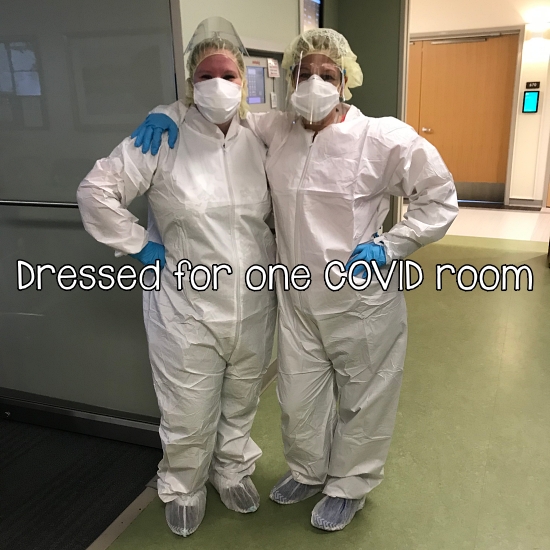
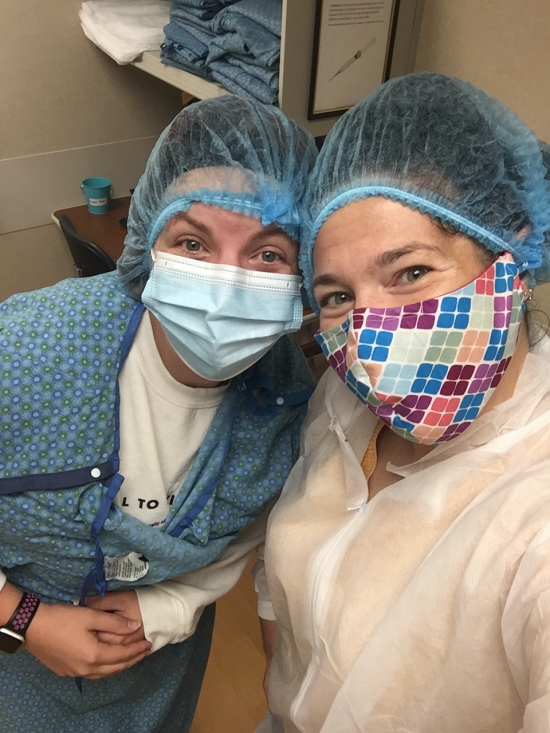
Kelly (the physical therapist) and Jeanie dressed to help a COVID patient sit up

One significant challenge is that patients cannot hear you through the masks, especially if the patient is elderly and/or relies on reading lips.  If a non-COVID patient is hard of hearing, I typically bring my phone into the room and use “voice to text” in my phone’s note pad to allow easy/fast communication without having to write everything down. So I can say into my phone “My name is Jeanie and I am from therapy. I am here to help you get stronger. Would you like to get up to the chair this morning?” 

Then the patient can read it and we can get moving.  However, I can’t bring my phone into a COVID patient’s room, so communication is huge barrier, especially if the patient does not speak English. We have a speaker phone in the room to allow access to an interpreter. But the interpreter also has difficulty understanding us through the masks and the whole process is a shit show. (Just FYI, I NEVER use my phone for ANY personal medical information about a patient; it is just for general directions and communication).

Another big challenge is making sure you bring everything you are going to need for your treatment in the COVID room the first time you enter. I usually put on my N95, surgical mask and face shield, then I crack the door and ask the patient if there is anything they need (water, Kleenex, etc) before I come in. If the patient can hear me, I gather whatever they request.

Once I am in the room, it is quite the ordeal if I forgot something. I can either press the call light and wait for someone to bring me what I need or I can take all of my personal protective equipment off, go get the supplies, put all the PPE on again and then finish my treatment.

The easiest way is obviously to use the call light; but many of the staff members who answer call lights are also in isolation rooms. (We had 14 COVID patients out of 26 in one unit last Sunday). And some patients “add on” what they want once I get into the room. I had to have a nurse aide come to the room I was in three times on Sunday because the patient asked for water, which was brought to the room. Once it was there, they decided they did not want ice water but plain water. Then they wanted extra Kleenex. And then they wanted a brush, not a comb.  

Now, I do understand these are all normal requests. In a non-isolation room this is no big deal. In a COVID room, all of this takes time.  

I bring up time because this is also a factor I wish more people understood. It is not uncommon to go into a room and someone is talking on their phone. To me, the appropriate response from the patient should be to tell their caller “A staff member just came in, let me call you back shortly”.

It’s extremely frustrating to the staff just how many patients (not just COVID patients) continue their conversation as if you never walked in the room. The younger generation likes to FaceTime and some will stay on FaceTime even while you are trying to talk to them. Some patients will answer the phone in the middle of the session and begin a long-winded conversation with someone.

This is taking up a staff member’s time that could be spent with another patient. Yes, we can take off all the PPE, leave the room, go see someone else and come back (and we do at times). But this is a general waste of time and PPE. (I do understand there are occasional important calls; I am not referring to those).

Some of these patients who were on their phones then complain that it took “…20 minutes to get some water” or “I waited a long time for someone to answer my call light” don’t see the irony that they are a contributing factor as to why there is a delay in “instant” service. 

A big issue that came along with the COVID pandemic is bed availability. Working at a level 1 trauma hospital means that we treat acute strokes, multiple traumas from accidents, spinal cord injuries, brain injuries, victims of violent crime, open-heart surgery patients, etc. I say this because most of these patients need an ICU bed.

However, many of ICU beds are occupied by COVID patients on ventilators, which means the turn-over time for a bed can be weeks.  It can be difficult to find a long-term care facility to take a COVID patient once they are medically stable for discharge because the long-term care facilities are also full of “long COVID” patients (whose symptoms last for months after acute COVID) and do not have bed availability.  

Patients become frustrated that they have to wait in the “overflow” area of the emergency room for a few days waiting for a room upstairs. (Just to clarify, the patient is NOT in the waiting room of the ER; they have a regular hospital bed, but they are just not on the medical floor).

Well, the reason for the slow bed turnover is because long-term care facilities are likely full; and rehab facilities, if they aren’t full already, want a patient to wait 10-14 days after a positive test before transferring. There are also family members who do not want to or cannot provide increased care for their loved one after discharge so those patients are also waiting on placement.

Medical insurance is another frustrating component—many insurances do not approve rehab when it is needed and this can take days and days to resolve. So at any given time, there are multiple patients ready for discharge but there is no where to send them and this creates a back up.

The Mental and Emotional Toll

I have seen more than I have ever cared to in the past two years.

I have seen multiple family members hospitalized at once…all with COVID.

I have met patients who performed CPR on their spouse (unsuccessfully) while they were both sick at home with COVID.

I have met families who buried both their mom and dad within days of each other.

I have met new moms who had their baby delivered in ICU while they were intubated due to COVID.

I have met patients who “just went to a small family get together” and got COVID from their grandchild. One grandparent survived, one did not.

I have met spouses that were both hospitalized—one survived, one did not.  

I have met a patient who continued to say “COVID is not real” despite the fact that he was on BiPap due to COVID. He did not survive. 

I have met patients who came to the hospital for help but declined the medications being offered (which they have a right to do). They did not survive. 

I have met a patient who was unvaccinated and both she and her spouse were hospitalized. The first thing she asked me was, “When can I get vaccinated?” She told me her spouse was “down the hall” and they “both had COVID”. Her spouse declined overnight and was not down the hall, but in SDICU. He did not survive. They had been enjoying retirement while traveling south in the winter, north in the summer. She is alone now. 

The crazy thing is that so many of these patients were not anywhere near dying when they got COVID. They were working, productive members of society. Or they were enjoying retirement with their spouse and their grandchildren. They may been otherwise healthy, or they may have had some minor medical issues (like everyone does when they get older—but certainly not something that put that patient near death before getting sick.).  

I treated a younger lady who lost her spouse to COVID after she herself was hospitalized with COVID. This woman was so put together—she wore nice nail polish and had a very friendly demeanor (she reminded me of my cousin). I remember getting her up to the chair and she wanted her picture taken to send to her children. She gave a thumbs up and I snapped a photo with her camera. She immediately sent it to her children.

Her health declined rapidly. And when it came to it, she declined intubation. I often think of her and her spouse together again in eternity; her children left parentless over just a few days.

Those are cases you just can’t forget.    

Being unvaccinated definitely puts someone in a higher risk category (I can say with confidence that probably 90% of our SDICU and ICU patients are unvaccinated). Also, obesity puts people at a higher risk.

Not all of these patients die. Some go on to long-term care. Some eventually make it to a rehab facility. I also work at a rehab facility a few days a month, and I see these COVID patients months after their original hospitalization. These are patients who are in the “survived” COVID category, but most people never realize the road that patient has traveled to get to that point in rehab, or that they may never go back to their pre-COVID life due to the long-term side effects from COVID.

But that is a whole different post… “long covid”. I had a patient who was hospitalized in the spring 2021 for 7 weeks with COVID. She made it to a long-term care facility and got off the vent. I saw her back at our hospital in the fall for complications. She has been back and forth from LTC to the hospital for seven months; she has still not been home and requires assistance for every daily task.

It’s not just about the death numbers in reference to COVID—there is a huge area in between the “recovered or died” categories that nobody talks about.

Like most healthcare workers, I am grateful for the opportunity to help these patients. But to say we are tired is an understatement. Pray for your medical team—not only for their physical health but for the mental strain they are under. Be kind. Be patient if you go to the hospital. They are doing their best.  

I will leave you with a personal thought that I have often shared with patients (even before COVID). At some point, patients are responsible for their own health. You cannot rely on the doctors and hospital staff to “fix” things if you are not doing your part.

For example, if you have diabetes and have been educated on eating habits, exercise habits, checking your blood sugar daily, and taking your insulin as prescribed but you still choose to not do these things, that is on you. Yes, the doctors can help you out of a critical situation, but you also have a responsibility to take care of yourself. 

It’s similar with being overweight. Or with smoking. Or using drugs. Et cetera. We all have some control over our health. There are factors we can’t control (our age, sex, genetics) but there are factors we CAN control. I encourage everyone to do what they can to take control of their own health!

(This is a guest post as part of my COVID Diaries series. You can read more about that and what I'm looking for here. If COVID has affected your life/job in a huge way, I'd love to hear from you!)


Featured Posts

Blog Archive