Showing posts with label Featured Running. Show all posts

January 13, 2022

10 Reminders of Why I Loved Running


Since I started the Couch to 5K plan in May to get back into running, I've been writing about my running progress on Thursdays. Today, I have no progress to report, unfortunately. My last run was last Thursday!

I don't know why I'm having such a hard time sticking with it after doing so well all summer and fall. So, I thought I'd write this post about all the reasons I used to love running. And maybe that will give me the "feel goods" and I'll feel that urge to get back to it--regularly. So here goes...

1. The Runner's High.

There is nothing like it! (Well, except maybe when I was on like 27 different pain meds after I broke my jaw, but that doesn't count.) A Runner's High doesn't happen very often. It's not something that you feel every time you go out for a good run. I've only experienced it probably 10 times since becoming a runner. It feels like you are on top of the world; you can do anything. There is absolutely nothing negative going through your mind.

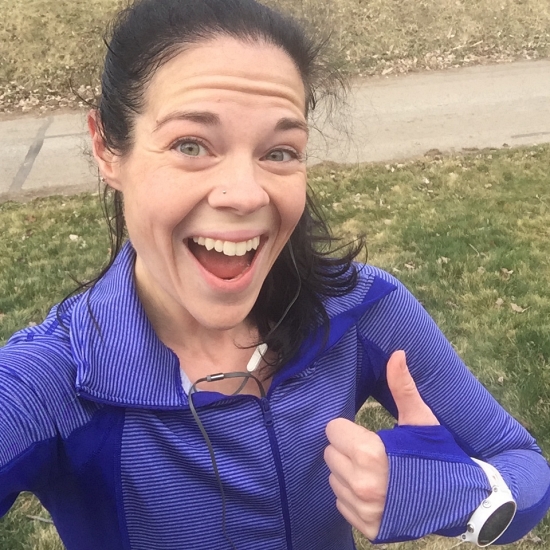
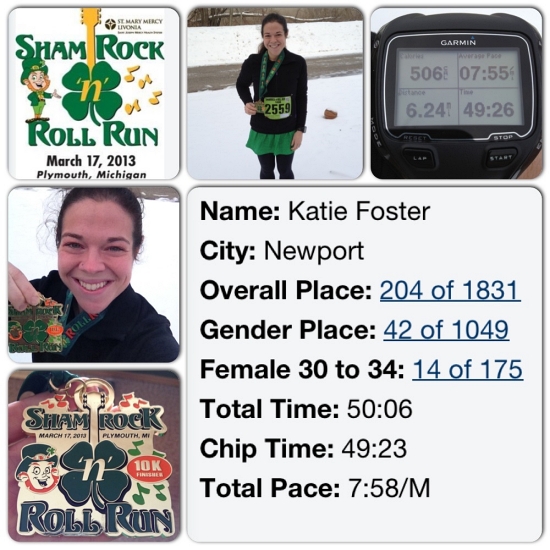
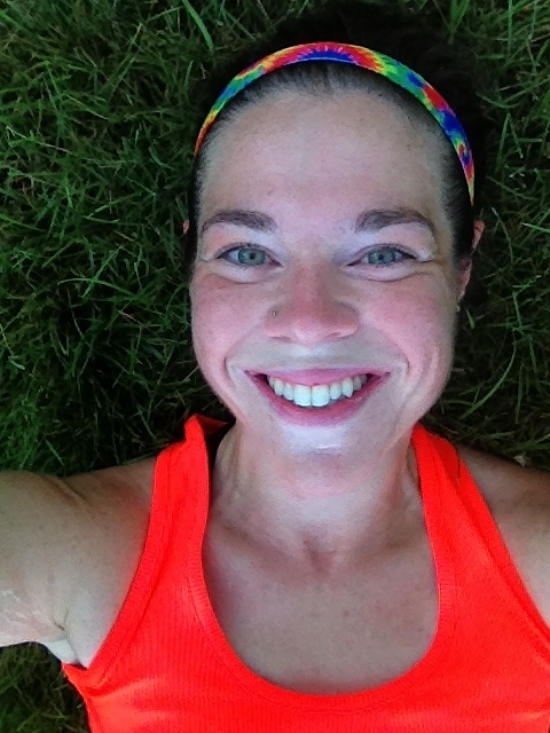
My most memorable runner's high was when I nailed my "Best 10K Workout" for the 10K I trained so hard for. This run was a tip from Greg McMillan on one of his training plans. I didn't follow his plan, but he *guaranteed* that if you could complete this workout, you would reach your goal on race day. I had to run 3 x 2 miles at race pace. My race pace was 7:55/mile. This post describes my workout that day. It was fun to read it just now ;)  And here is the picture I took afterward. That smile/Jerry face was 100% genuine!

2. Feeling like there was something special about me.

I don't know what population of the world considers themselves runners, but I imagine it's pretty small. And I really liked calling myself a runner. It made me feel like I was part of an elite group of people who share a common bond. With running, there is always something to talk about when you meet another runner--races you've done, what got you started, what your training is like, etc. I liked running outside and imagining that people would see me and think, "Man, I should start running." (Yes, it's pretentious of me.)
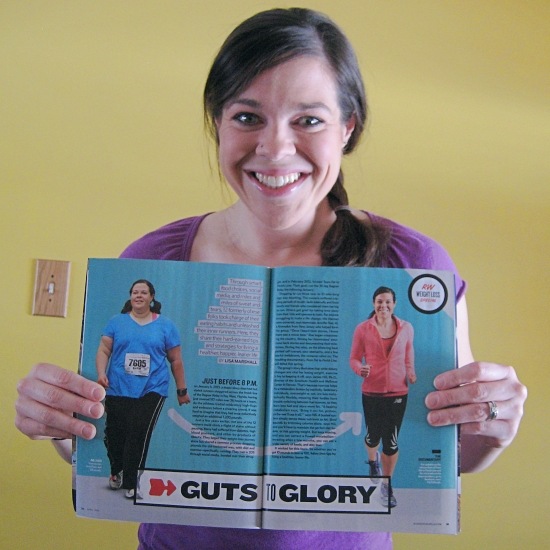
That one time I was in Runner's World magazine. Dream come true!

3. Setting goals and working hard to reach them.

My running goals over the years have been big and small. My first goal was to be able to run a mile without stopping. Some others were to run a mile under 13:00 minutes; a mile under 10:00 minutes; run a 5K, 10K, half-marathon, marathon; run personal records in each of those; successfully pace a friend at a race; and so many, many more. Even running the Couch to 5K was a goal of mine in May--I wanted to complete the entire program (and I did).
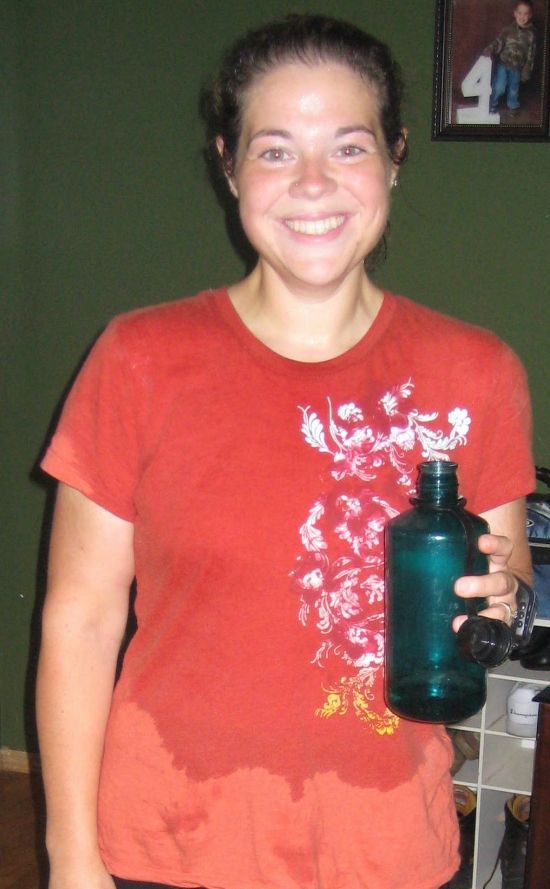
It took me three tries to complete this 8-mile run!

4. My regular running routes.

I can tell you the exact distance from my house to just about any point on the peninsula where I live. I know about 10 different 3-mile routes from my house. I knew what dogs lived in which houses, the routines of people who worked outside in their gardens or what time they left for work, and I saw "regulars" on my routes--usually walkers. During Halloween, I especially love to see the skeleton decorations.
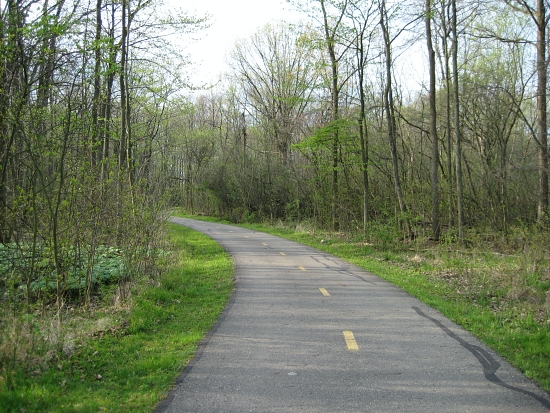

5. My body felt harder. Literally.

My body fat got down to 19% when I was training for my 10K (it's closer to 30% now), and I loved that when I pushed on my abs, I could actually feel muscle there. My legs were still jiggly from loose skin, but when I flexed them, I could feel the muscle underneath. I could sit comfortably without my legs falling asleep or having to shift positions. My body just felt COMFORTABLE--and I crave that more than anything right now. I remember when I preferred jeans instead of stretchy black pants! Hahaha.
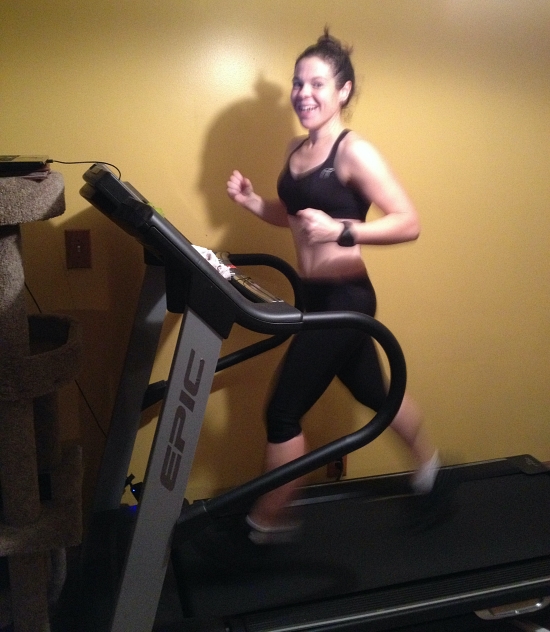
Feeling comfortable enough to run in just my sports bra (only in my home, though!)

6. Getting outside.

I'm definitely more of an "indoors girl"--I prefer to stay inside most of the time--but there is something about running in nice weather that just puts me in a great mood. Breathing in the clean air (unless it's Monday--garbage collection day!), feeling the breeze evaporate my sweat, seeing all the houses I was used to seeing. Everything was so familiar.
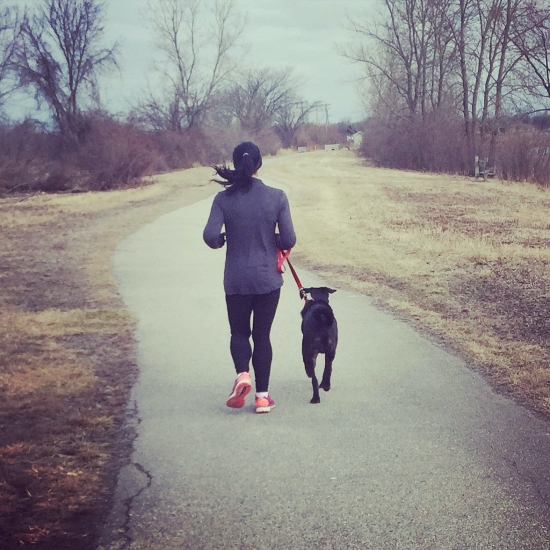

7. Feeling good about getting in exercise for the day.

After a run, no matter how good or bad it went, I always felt good about myself for doing it. My body felt tired and my mind felt at ease--like I'd really accomplished something.
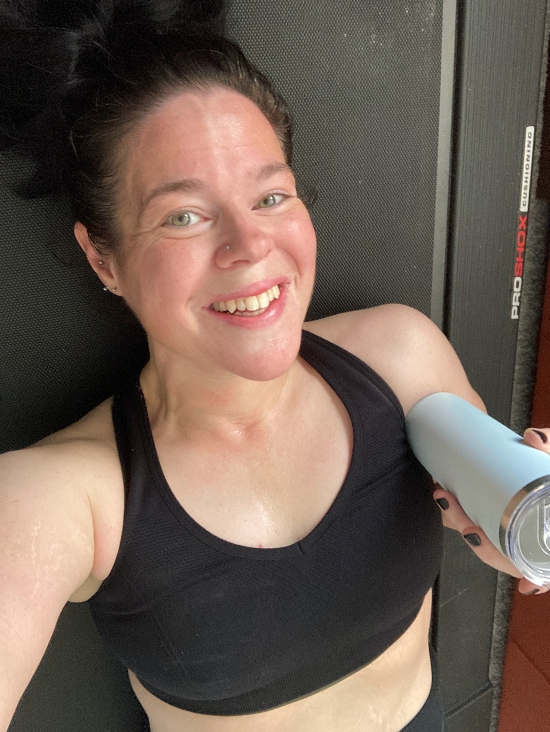

8. The numbers.

Being a total numbers nerd, I loved looking at the data of my pace, my heart rate, how much faster I ran since the previous run, what my pace needs to be to hit a PR, etc. I miss looking at the data.

9. Following an actual running schedule.

I've tried umpteenth times to do this ever since May, and I just can't seem to get back to it. I remember printing out a schedule and crossing off each workout as I did it. It felt so good! And I felt bad about myself if I skipped it for no reason at all. Skipping a run didn't used to be an option; I just did it, no matter what. It was a regular part of my day and I always figured out a way to work it in, no matter how busy I was.

You can find all of my training plans here

10. I had less anxiety.

Now, I feel anxiety all day long and I know that I could at least cut that in half if I would go for a run. Running feels like part of a "to do" list and when I procrastinate, it gives me anxiety. Checking off a run first thing in the morning set my mood for the whole day. If I ran that morning, I felt so much better about myself.

And there it is. Ten reasons I really loved (love?) to run. It's so hard to keep these things in mind every morning when I dread the thought of dressing for the cold outside or dressing to hop on the treadmill and watch the time pass slowly.

If I had to put it in a nutshell, my top three reasons for making myself JUST DO IT are these:

1) It makes my body feel good all day long.
2) It takes away at least half of my anxiety each time I run.
3) I want to feel COMFORTABLE in my body. Not just mentally, but literally--sitting, standing, walking, lying down, naked, clothed, whatever--just comfortable.

Will this help me this next week? I have no idea. But it's worth thinking about. I really ought to print this out and post it next to my bathroom mirror. If I can just get in the habit of running in the morning again, I think I'll feel a million times better.

If you want to share, please tell: what do you love about running?

Desk Calendar pages for today: Some of the someecards are pretty lame (today's included), so I'm only going to post the ones that I like. However, the random trivia is fun! Today's was especially cool; I've written about "tortitude" before in regards to Estelle (who is a tortie). She's definitely talkative and sassy! (I wouldn't use the word "aggressive", however.)
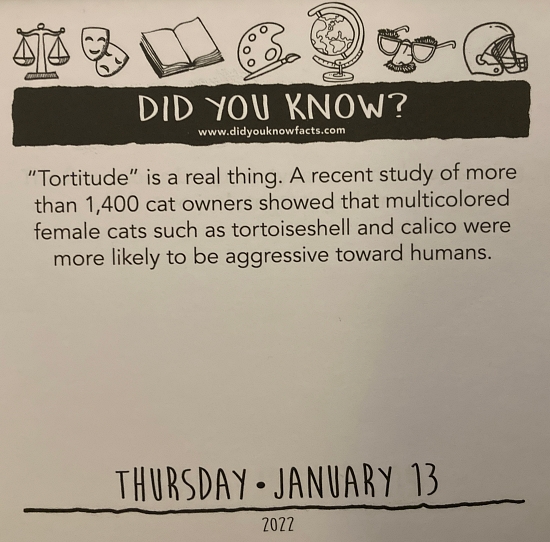


Another fun fact: 99.6% of tortoiseshell cats are female!

October 17, 2021

TRAINING PLAN: My 'MAF80' Running Plan (for beginners to heart rate training)


This post is a copy of what I've attached to the (printable) running plan as well, so it may sound a bit formal. But I've put SO much work into this plan and I hope that it works out well!

Here you can download and/or print the plan (which includes all of what is written below).

I want to start by stating that this is a trial plan—it hasn’t been tested and I wrote it based on my own knowledge as an RRCA-certified running coach as well as personal experience and reading various training methods. I’ve combined a couple of principles from two main sources to create this plan: Dr. Phil Maffetone’s MAF (maximum aerobic function) heart rate training method and Matt Fitzgerald’s 80/20 Running method. This is why I’ve (so cleverly) named this self-combined method “MAF80”.

This MAF80 training method means that you will be running and/or walking at a particular heart rate zone (called your MAF zone, which I will explain later) 80% of the time. The other 20% of the time will be spent running at a heart rate higher than that zone. I wanted this plan to be something that is do-able for beginners to heart rate training as well as for people who don’t want to do a high-mileage plan. This is not for training for a specific goal; if you are a seasoned runner and want to get faster for a 5K or 10K time goal, I would suggest my other plans called “Your Best 5K” and “Your Best 10K”. My running plans can be found here: https://www.runsforcookies.com/p/training-plans.html

First, MAF stands for Maximum Aerobic Function. The MAF heart rate is the highest heart rate you have before transitioning to an anaerobic state (a state that does not help build your endurance); ideally, you want to have a very fit aerobic system, and the best way to strengthen it is to exercise aerobically.

Note: The MAF heart rate formula was based on research done by Dr. Maffetone. The number isn’t 100% carved in stone for all people; but based on his findings, that formula works for the overwhelming majority.

When you exercise at a heart rate higher than the maximum *aerobic* function (MAF), you’re working your anaerobic system. This is also beneficial—for different reasons—but a little goes a long way. Doing too much can have the opposite effect and actually be harmful. Also, without a fit aerobic system, doing anaerobic work is pretty much pointless.

As a running coach (and runner myself), I find that the hardest thing for runners to do is SLOW DOWN during their training. “Easy runs” are the most important runs in a training plan! And most runners do them too fast, which isn’t giving them the benefits that the workouts are designed for (which is to develop endurance).

I created this MAF80 plan to force the runner to do the easy runs at a truly easy (aerobic) effort 80% of the time. The other 20% is beneficial physically, of course, but also mentally; as runners, we like to let loose and go fast sometimes! It also keeps the running from getting too boring.

(Note: Dr. Maffetone’s MAF training recommends that you do 100% of your training at a MAF level. I would suggest reading his ideas before choosing what is best for you. I believe in the 80/20 rule, which is why I combined the two.)

The end goal of running at a MAF heart rate is to be able to increase your performance while maintaining the same effort level. For example, if you run in your MAF heart rate zone (let’s say it’s 130-140 beats per minute) and your average pace is 11:00/mile when you start training, after several weeks or months of MAF heart rate training, you ideally will be able to run at the same heart rate but at a faster pace (let’s say 9:30 per mile). Running at a 9:30 pace will feel the same as running at an 11:00 pace did before.

When running at a MAF heart rate, your EFFORT always remains the same; your performance/pace varies. The fitter you get, the faster you can run at the same heart rate. (I will explain more about MAF heart rate later.)

It’s important to note that this plan is designed for heart rate training, which obviously requires a heart rate monitor. There is a huge variety online. I like to use my old Garmin Forerunner 620, but feel free to use whatever heart rate monitor you’d like.

I designed this plan with a few things in mind:

1) Variety. I didn’t want it to be monotonous.

2) Sticking with the 80/20 principle (per the principles in the book ’80/20 Running’ by Matt Fitzgerald)

3) Running for time instead of mileage. This makes it easier for runners to slow down because whether you run fast or run slow, you’re still running for the same amount of time. Might as well slow down and enjoy it! Also, the 80/20 principle is based on time spent running per week—80% at an easy effort and 20% at a harder effort. “Easy” and “Hard” are relative to the individual, so mileage doesn’t work in this case.

4) I took into account the fact that your heart rate is lowest at the start of your run and highest at the end of your run. So the order of running easy/hard may seem backwards, but I designed it this way on purpose. Your runs will start out at the MAF zone, saving the harder running for later when your heart rate is likely to be higher anyway.

5) Four workouts per week, 40 minutes each. You can add more MAF running if you’d like. There are two runs that are solely for MAF running; one day for faster intervals; and another day for longer, not-as-hard intervals (called Tempo).

6) Simplicity. There are only three effort levels: MAF (easy), Hard, and Tempo:

    1. MAF (a.k.a. “easy”). Run in your MAF zone. At first, you may feel like you’re having to check your heart rate frequently, but eventually you will get a feel for it. If you don’t want to keep checking, just run as slowly as possible! You should barely get winded and should be able to hold conversation at that effort level.

    2. Hard. Run at what feels like a hard effort—about a 8-9 on a scale of 1-10. Don’t put too much thought into it, though! You don’t need to worry about your heart rate during these runs; just run at a pace that makes you wish it was over already, haha. 

    3. Tempo. Run at a moderately hard effort—about a 6-7 on a scale of 1-10. It should feel kind of uncomfortable, where you will want to slow down, but you could hold that pace for much longer if needed.

There is also Walk, which is self-explanatory. I wrote the Walk portions in the spots where I felt it was most beneficial to get your heart rate back down to your MAF zone quickly. I always walk the recovery portion of interval training and I find I get the best results that way. Walking helps you to recover so you can push hard in the next segment.

A lot of beginners discover that running, even at the slowest pace possible, puts their heart rate over the MAF threshold. This is super common! In this case, you should run/walk (or even just walk) in order to keep your heart rate in the MAF zone. It can be frustrating (I’ve been there!) but eventually, you will notice that you’re able to run for longer periods of time before having to walk again. And one day, you’ll be able to run the entire time at a MAF heart rate. On the days where you can do speed work, run to your heart’s content!

If you want to speed up your progress, you can feel free to add more workouts or extend your workouts—at a MAF effort. You don’t ever want to do more than 20% of the time per week spent running at a hard effort (meaning higher than your MAF heart rate).

Because this plan is just a trial (I basically created it as an experiment for myself), I’ve only written 6 weeks. I will see how it goes and adjust as necessary, and if it is working out well, I’ll add to it. (Feel free to give me progress reports!) But if you want to extend it as is, you can just repeat weeks. To see significant progress (which depends entirely on the individual) I’m almost certain it’ll take at least a few months.

Finally, to calculate your MAF heart rate:

Just subtract your age from 180, and that is your MAF number! That number is the maximum of the range; the minimum number is 10 beats per minute below that. For example, I’m 39 years old, so my MAF heart rate is: 180-39=141 bpm. My MAF range would be 131-141 bpm.

Note: When you first start each run, your heart rate will likely be far below the MAF range. You don’t have to rush to get it into the MAF range. It will probably reach that range within a few minutes, so again—don’t overthink it.

I could write MUCH more on the hows and whys I’ve chosen to design this plan the way it is, but for now, I just want to test it out and see how it goes. I’m sharing it in case you are interested in trying it, too!

Again, I recommend the following reading:

- The MAF 180 Formula by Dr. Phil Maffetone (https://philmaffetone.com/180-formula/). There is MUCH more to his 180 Formula and MAF training than I could even begin to cover here. The only part of his method that I used is the 180-number. (His formula actually includes a few more steps.)

- ’80/20 Running’, a book by Matt Fitzgerald, explaining the hows and whys training at 80% easy and 20% hard is ideal. (This is an Amazon affiliate link, which just means that I may get a small commission for recommending it: https://amzn.to/3n09Hip )

Finally, make sure you read the post on my blog called “The Importance of the Easy Run”—it explains more in-depth why runners should be doing easier runs: https://www.runsforcookies.com/2016/04/the-importance-of-easy-run.html

Okay, as far as the plan goes:

- There are 4 runs per week, 40 minutes each.

- You can swap runs for others that have the same number of “HARD” minutes (for the sake of simplicity, the “Hard” runs and “Tempo” runs are both considered “Hard” when calculating the 20% rule because they both are done at a heart rate higher than your MAF zone. Each week, your Hard running (which includes Tempo) should add up to no more than 32 minutes (as the plan is written, each week has 30 minutes of hard running and 130 minutes of easy MAF running).

- You may add MAF running wherever/whenever you’d like.

I think that sums it up in a nutshell. Please feel free to give me feedback or ask any questions. I plan to make changes to this training plan as needed, based on feedback (as well as my own experience—I’m going to be doing it as well).

Happy Running! xo

Here is where you can get the free training plan and all of the explanation above

October 11, 2021

A Simple Explanation of MAF Heart Rate Training (and why I love it!)


I just got back from an evening run, and I just have to write this down so I remember it: the circumstances in THIS RUN are exactly the reason I fell in love with MAF training back in 2015.

I'm going to back up and bit and just explain what MAF is and its significance to me (as well as to my running coach style). If you've been reading my blog for a long time, then you can skip over all this...

MAF stands for "maximum aerobic function" (don't worry, I'm not going to get technical about all this, even though I am a total nerd for it; I'm going to keep it very simple here). It was developed by Dr. Phil Maffetone ('MAF' and 'Maffetone' are purely coincidental). Here is how his logic works:

Everybody has a MAF heart rate. There is a formula on his website which takes into several factors, but for the general population--as well as the way I use it--you subtract your age from 180 to get your MAF heart rate. I'm 39 years old, so my MAF rate is 180-39=141. The "golden rule" of MAF training is that you don't exceed your MAF heart rate while exercising.

(Note: Your MAF rate is a single number, but since it's nearly impossible to consistently train at that solid number, Dr. Maffetone says to create a range of 10 beats per minute below your MAF rate, with your MAF rate being at the top of the range. Since my MAF rate is 141, my MAF range would be 131-141 beats per minute. )

For almost everyone, this means exercising considerably easier/slower. For runners, it can feel painfully slow and ridiculous. There is a reason for training at this pace, though, otherwise people wouldn't do it.

To keep things simple and easy to understand, I won't get into the physiology of it, but according to Dr. Maffetone, when you exercise at your MAF heart rate, your body gets more efficient and when you eventually add more stress (running faster, cycling harder, whatever your exercise is), your heart won't have to work harder to keep up. You will be putting in the same amount of EFFORT (as evidenced by your heart rate), but you will improve your fitness level.

I'll use running as an example, since it's my "thing": Let's say I run a 5K race at 10:00 minutes per mile (running as hard as I can for that race). Then I start MAF training: I do ALL of my training runs at or a little below my MAF heart rate--in this case, 141 beats per minute. While it feels like I'm not working hard, I am actually making my body more efficient.

Over a period of several months (more or less--it varies greatly), I might need to start running a little bit faster in order to get my heart rate up to 141 bpm. It will still feel just as easy--I'm still stressing my heart the same as before--but I'll be able to do more/work harder in order to get my heart rate to that number.

Then, because my body has become much more efficient over, say, six months, I might run another 5K race at the same effort as the first one (pretty much as fast as I can) and my pace might be 8:00 minutes per mile.

To put it super simply, when MAF training, you're not working HARDER in order to become more fit; your body is just becoming more efficient at the same effort.

I will use myself as a testament that it really works:

In 2015, my pace had gotten much slower than I used to run. My 10K pace was about 11:00 minutes per mile (just two years prior, I had run just under an 8:00/mile pace in the 10K). My training had never involved my heart rate--I used my pace to gauge my fitness and my training. I did my "easy" runs at a heart rate of about 20 beats per minute OVER my MAF rate!

After getting over a stress fracture, I finally decided to try something I'd never done before: running at a truly EASY pace, by the very definition.

I read a book called '80/20 Running' by Matt Fitzgerald (Amazon affiliate link) that had a huge impact on my training. I combined what I'd read about MAF training with 80/20 running (and my knowledge as a running coach) to produce my own training plan. The biggest change in my training was that I began running MUCH slower than I was used to. I did at least 80% of my training at my MAF heart rate--and that translated to a pace of 11:00-12:00/mile.

Per the 80/20 method, I also did a small amount of speed work (no more than 20% of my TIME spent running per week was done at a heart rate higher than my MAF rate). Here is an explanation I wrote about how I combined the two methods to train.

I found that I was getting faster on the days that I did my speed work and that I was able to run slightly faster while maintaining my MAF heart rate during training. There wasn't a huge difference in the training pace, but I could see progress.

I was training for a goal 10K in April 2016--which was about five months after I started running at my MAF pace. I ended up running my goal 10K in 49:03 (a 7:54 per mile pace!).


Running my easy runs EASY was the best change I could have made in my training. I have no doubt that my combination training (I really should name it something--I made the training method by combining 80/20 and MAF in my own way.)

Anyway, why am I writing about all this again now? (Because you're hypomanic, Katie!) (Just kidding.) (But not really.)

Because my run this evening brought back all the good feels from my MAF training and it makes me want to do it again.

When I first ran at a truly easy pace (my MAF heart rate), I just let go of any and all expectations of my pace (that's very hard to do as a runner--we always want to go faster.) To be successful at this training, and to actually enjoy this training, you have to set your pride aside and trust the process. Someone is giving you ORDERS to go slowly, so enjoy it!

Today, I decided to run at my MAF heart rate range (131-141 bpm) and just see where my pace was when I ran at that heart rate. At first, my thoughts were focused on how slow I was and it's going to appear to others that I am losing fitness and all those thoughts that we need to get over in order to train properly. Once I embraced the slower pace, a big change came over me. I felt wonderful!

I didn't feel out of breath and I stopped focusing on how much longer until the run is over; I started to think that maybe I'd run farther than planned. I had planned to go just two miles and I procrastinated all day long because I didn't want to do it. Once my mindset switched over to that MAF feeling, I felt like I could run for hours (which is how you SHOULD feel when you are running at a truly easy pace). I tacked on an extra mile. When I stopped my Garmin in front of my house, I didn't have to catch my breath. I felt like I'd just gone for an easy walk. I actually felt really excited!

And maybe it's just because I'm hypomanic, but I started thinking that I want to train at my MAF rate again. Not only that, I want to write a new training plan--a lower mileage plan for beginners to MAF training. I am not interested in building up mileage--I only want to run enough to stay fit, at least for the near future--so I want to keep my mileage relatively low. I want to do my own method of combining 80/20 running with MAF.

I have written a couple of plans (that you can find here--named "Your Best 5K" and "Your Best 10K") for 5K and 10K training in this way--those plans were the most challenging plans I've ever written because I had to make all of the math work! However, even the 5K plan has more mileage than I want to run.

I don't want to train for a race or to hit a particular goal. I just want to use the training method because I enjoy it. So, I'm going to work on writing up a training plan for that purpose. (Let's hope it's not just my hypomania talking--this is a textbook example of something like that!)

Since I usually write about my running on Thursdays, I will try to write more about it then. Hopefully I can get the plan done this week!

Note: Something that people always ask about when I write about MAF training is that they can't run and stay under their MAF heart rate. The only way they can stay at that heart rate is to walk (or at least take walking breaks). Dr. Maffetone would say to do whatever it takes to stay in your zone. This really sucks for people who want to run! (And this is the reason that I wasn't doing MAF training as I got back into running--I just wanted to run for the feel of running.)

The training will work if you follow it as Dr. Maffetone states, if you're willing. You will eventually be able to run and maintain your MAF heart rate; it just takes patience. I think one of the biggest factors as to how fast that works is just how much training you're doing.

To a certain extent, the more you are training at your MAF rate, the faster you're going to see progress. Doing 30 minutes 3 times a week is likely to take a lot longer than 60 minutes 5 days a week. (Keep in mind that the training is EASY, so doing a 60 minute run/walk/other exercise at MAF heart rate isn't going to exhaust or overtrain you.)

If there is only one post you read about proper training, let it be this one: The Importance of the Easy Run!

To read all of the details about the MAF method (it goes into WAY more than just the heart rate training) you can find it on his website.

February 17, 2021

Where I Find My Running Motivation

(Just beware, I'm going to pepper this post--liberally--with more of my favorite running photos!)

I always hesitate to use the word "motivation" because if you've been reading my blog for any time at all, then you know that I hate that word. (Here is a post explaining the difference between motivation and determination, and why I don't really like using the word "motivation").


In short, though, I think that motivation has its place. I believe that motivation is temporary and short-lived. That's why it's so easy to get fired up about a new plan (diet, exercise, whatever it may be!) and we do so well in the beginning. But once the motivation fades, then we need something to keep us going or we just give up. (That's where the "determination" factor comes in.)


I think of motivation as being a short-term burst of energy (mental and/or physical) to get something done--followed by an immediate, short-term reward. For example, you may wake up and not feel at all motivated to get out of bed from under your warm covers when it's freezing outside (when I woke up today, the temp outside was -11 F!). Then you think of a hot shower and how nice it will feel, so that motivates you to get up and moving.


While I was losing weight, motivation helped me here and there, but it didn't carry me through the entire process. That's where the determination and discipline have to take over. Sometimes, though, I needed a push of something motivating to keep me going (reading others' success stories, trying on smaller clothes, etc.)


Now that I am starting to feel excited about running again (starting over from square one) I've been feeding myself motivation to keep the excitement going long enough for me to make this change in my routine.


The biggest motivation for me comes from looking at photos of when I felt my best--whether for running or my weight. In this case, I want some running motivation, so looking through my old running photos gives me a ton of motivation. A few days ago, I even made a folder on my phone of running photos that motivate me so I can look at them when I'm just not feeling it.


However, when I first started running, I didn't have pictures to look back on--because I was a total newbie. So, I had to find that push elsewhere.


On this post, I just thought I'd list a few sources of running motivation. I wrote a post several years ago with some movies and books about running that I liked, but it's pretty outdated now. Here are some current (or classic) favorites:

Instagram Posts - I follow the hashtag #slowrunnersclub because I am much more motivated to see other people like ME getting in their running workouts than I am seeing elite runners. When something seems so unobtainable (like elite racing), it just makes me feel overwhelmed. It's hard to remember that there are ordinary--and slow!--runners, too. I love seeing people post about their typical runs when we are on a similar playing field. (On the other hand, some people might be MORE motivated to see elite runners' posts--we're all different!)

Read the story behind this shirt. It is heart-melting!

A "Running Playlist" on my Phone--I made a playlist of songs that I remember listening to when I first started running in 2010. When listening to the songs, I can even remember a few specific runs and what point of the run I was in during that song (no idea why!).


Running Podcasts - My favorite is "Another Mother Runner". I hadn't listened to it in SO long, but I recently started listening again to episodes that catch my eye. I miss it!


Running Books (Amazon affiliate links):

'Running for My Life: One Lost Boy's Journey from the Killing Fields of Sudan to the Olympic Games' by Lopez Lamong. I LOVED this book and I'm going to read it again. I even gave it to my dad to read!  It's such an inspiring story. Yes, he makes it to the Olympics (as you can see from the title); so, while it's not the "I want to do that, too!" kind of motivation, it is simply a feel-good running story. My dad's not a runner and has no interest in running, but he loved the book for the story itself.

'Born to Run: A Hidden Tribe, Superathletes, and the Greatest Race the World Has Ever Seen' by Christopher McDougall. The last time I mentioned this book on the list of running motivation, I said that I only included it because so many OTHER runners loved it--but I just couldn't get past the first chapter or so. Since then, I finally read the book and I loved it! This is definitely a "superathletes" type of book (these people are superhuman, truly) so I can't relate to the them on their level--but it's SO interesting and definitely made me want to run.

Running Audiobooks (I listened to these while I was running, which helped me get through runs):

'Depression Hates a Moving Target' by Nita Sweeney. I wrote a review of this and shared a guest post by Nita. This book felt like it was written just for me--the mental health + running was just what I needed. I'm currently listening to the audiobook again during my walks.

'My Year of Running Dangerously' by Tom Foreman. I didn't know when I started listening to this that Tom Foreman is a well-known broadcaster for CNN. I am glad I didn't know that, because I probably wouldn't have chosen to listen to this audiobook if I had. His daughter asks him to run a marathon with her, and it takes him on a very long (literally) running journey.

'Running Man' by Charlie Engle. This is about an elite runner, so I didn't listen to it thinking that I was going to achieve this sort of level, haha. But I really enjoyed the book--I'd like to watch the film that the book is about, called Running the Sahara, produced by Matt Damon.

There are some films that I love for running motivation, too, but you can find those on this post (I won't re-list them and make this long post even longer). I do want to add one movie, though:

'Brittany Runs a Marathon' on Amazon Prime. I LOVED this movie! I wrote a review on my blog here.


So, this is just a short list--there are so many books, movies, podcasts, websites, blogs, etc., that are great for a quick boost of motivation! If you have any favorites, please feel free to share. It's been a while since I've been into all things running ;)

February 15, 2021

The Process of Getting From "Before" to "After"

Yikes! I just got in from the coldest, snowiest walk I've ever done. It wasn't until I got home that I saw on Accuweather that there was an active winter storm warning while I was out. No wonder I was so cold!


Like I mentioned a few days ago, I've been bitten by the running bug again and it's been a LONG time since I felt this way. I really want to get back to running... but in a completely different way.

I used to sign up for races and train for them. Cross the finish line. Either hit my goal time or not. Pick another race. Repeat. And so on.

This gave me a (literal) finish line. I would train for a race, regardless of what the goal was, and then I'd cross the finish line and it would be over. I either had to pick another goal and/or another race, or just feel let down that I was done with it and feel the "Now what?"'s?

This happened especially after my 10K in 2016. I trained so hard for that PR and all of my focus was on that race. I was SUPER determined to run it under 49:23 (my PR at the time). I did all the work and it totally paid off on race day. I ran 49:03 and set a new PR.

I should have been thrilled, but I actually felt kind of lost. NOW WHAT? I had met my huge goal and I didn't have a desire to try to get even faster. I had already run three full marathons and had no desire to run that distance or farther again. I was happy with my 5K and half-marathon times. I couldn't think of anything I really wanted to work toward.

I've realized, during my time off, that I have to run without a finish line. There is no end goal. Just like with weight loss--you don't get to your goal weight and stop doing what got you there, because you'll just gain all the weight back. It's literally never-ending. If I want to be a runner, I need to run for the process of it and not for the finish line. I need to make peace with the whole process and find ways to enjoy the experience.

I think that enjoying the experience with no end in sight can sound really daunting (just like with weight loss). The key to continuing it, without feeling like there is no purpose, is to find a way to enjoy the process of becoming a runner and then staying a runner. 

And this means that I'll have to change things up once in a while. Instead of picking a 12-week plan or something like that, I think I need to focus on a week at a time. Or even one day at a time. Following a certain schedule would be great if I had an end goal, but I don't--I simply want to be a runner for the physical and mental health benefits. Would it be fun to throw some races in the mix? Maybe! And I might do that when I have the desire to--but the finish line can't be my end game. Because I can't have an end game.

Since I've been wanting to start running again, I've been trying to think of a plan to get back to it. And I can't think of something that makes sense for me. Instead of goals, I made a list of running milestones. The difference is that a goal is something to work for and hopefully reach. By choosing to keep track of milestones, I'm not actually working toward them. They are just things that I can check off if I should hit them--but I won't actively be pursuing them, if that makes sense.

These milestones below are for distances and times. (I chose the times based on about where I am now versus my past PR's/potential.) Chances are, I'll never see those fast times again! But I'm not making that my goal, either--I'm only working to keep running. The milestones are just something fun to keep track of. Like I said, I want to make running FUN this time around. I kept track of milestones like this when I first became a runner, and it was fun to check off new ones.


If it's icy and cold outside and I don't want to run in that weather, then I won't. If I'm in the middle of a walk and I feel like jogging to the next block, I'll do it. If someone asks me to go for a run with them and I want to, then I will. If I start to feel an injury and think I need a break, I'll take it. I can break all the rules I used to have for myself when it came to running. Hell, if I want to stop my Garmin at 2.99 miles in front of my house, I'll do that ;)

Right now, to get back into running, my plan is to continue walking my five miles a day and throw some running in there. I've enjoyed my recent treadmill runs while playing Best Fiends and running intervals when I lost a level. I may try to increase the amount of time I do each interval. Or the speed. Or maybe I'll see if I can run a full mile at a particular speed.

I'm basically going to fly by the seat of my pants and be spontaneous--whatever feels right during that particular walk/run. I'm not going to decide ahead of time what my plan is--I'm just going to do what my mind and body tell me to do. The only thing I know for sure is that I'm going to get in five miles by foot (walking and/or running) because that IS a goal that I have. My streak is 212 days and I don't want to break it!

Like I wrote in my post a few days ago, getting from "before" to "after" is a process. When we see success stories of runners or people who have lost weight, etc., we don't see the process. We just see the before and after, and it seems so simple. We think, "Why can't I do that?!"

We CAN do that--we just have to experience the process of getting from before to after. And the process is extremely difficult sometimes--I can't even tell you how many times I wanted to quit while I was losing weight--but if we want to get to "after", we need to go through the process. 

That said, I'd like to keep track of my whole process on my blog. I don't want it to seem easy to get back to running. The one-minute intervals I've done recently on the treadmill have been anything BUT easy! There will also be no "after" to count on. I'm going from non-runner (or ex-runner, I suppose) to runner. It's not nearly as exciting to write about--hitting hard workout goals and finishing PR races--but in the long term, it's what I really want. To be a runner again.

February 11, 2021

Bitten By the Running Bug (and a TON of photos)


One of the unfortunate characteristics of having bipolar disorder is that my thoughts tend to go all over the place. They jump from one thing to the next and I really have to concentrate if I want to stay on topic. As you know from reading my blog, I tend to write exactly how I think...

...all over the place ;)

So, this post is going to be a bunch of jumbled thoughts that came to me recently. Hopefully they will make sense.

It's been 208 days since I started walking five miles a day (yes, I mention it frequently because I'm proud of it!) and somewhere around Day 60 or so (or maybe Day 100 or Day 25, I don't remember) I got the urge to run a little. Not because I felt like I "should" or because I wanted to step up my workout. It was for no reason other than a primal feeling in my legs.

 I had Joey with me, and while I have run with him before, I was actually in shape back then. Trying to wrangle a dog and run while totally out of shape would have been more difficult a challenge than I wanted to take on at the time. 

However, there were a few times in the following months where I just had to give into that urge. I only ran for one mile at a time (I walked two miles, ran one, walked one, then ran the last). I felt completely out of shape and my legs felt like Jello (or maybe lead would be better), my boobs felt too big (ugh, I miss having small boobs!), and I jiggled a lot in areas I don't remember jiggling the last time I ran. But I did it, and it's been on my mind here and there ever since.

Joey loves his long walks, and I would feel super guilty taking those away; so I started thinking of compromises (walk him a few miles, then do a run by myself). If I could get back in shape, then I'll just run with him, but that would be too difficult physically for me now.

I wrote a few days ago how I ended up using the treadmill a few times last week and that I came up with a little mind game to play with myself to make the five mile walk go by faster--and it involved some running. I found that I missed how my legs felt after a run.

I got an email recently from a woman named Beth Probst who said that she started reading my blog many years ago when she, a self-proclaimed "fat girl", decided to start running. Lo and behold, she really took off with it and went on to run a dozen or more half-marathons--all while being a "non-serious plus-size runner". She did not lose weight, but she started from the couch and became a half-marathoner!

She was writing me because she wrote a book about her journey and was wondering if I'd like to read it. It's called "It Could Be Worse: A Girlfriends Guide for Runners Who Detest Running". It absolutely sounded like something I'd enjoy, so of course I wanted to read it. (I won't write much about the book here, because she plans to write a guest post for my blog soon!)

While reading, that tiny little voice coming from somewhere deep in my brain made me start getting the itch to run again. As I read her book, I thought more and more of the things that I miss about running.

Today, I had the thought, "I'm going to write a post called 'What I Miss About Running' today on my blog! And now, as I sat down to write, I thought I'd better check to make sure I hadn't already written one.

Turns out I did, back in 2019. And it was a damn good post!

So, I can't exactly write the same thing. But you can read about it here if you want. It all holds true.

Anyway, the running seed had been planted in my mind months ago, and it's been growing. Then reading Beth's book made me feel ALL the feels about running. You know when you first have a crush on someone, and they are all you can think about? Well, I'm starting to get that little spark back about running!

Finishing Beth's book made me think all the manic bipolar thoughts: sign up for a dozen races right this minute, write a training plan, read the past three years of Runner's World that I never read but saved for some reason, buy all the running clothes, and announce that I am a runner again!

But thankfully, my medication gives me a reality check when I really need it, so I am being rational.

Because of the COVID pandemic, I can't really plan on any races. But when I felt that excitement about running just from reading a book, I want to feel that excitement again all the time. I used to LOVE all things running (well, except actually doing it, haha!)--reading books, articles, blogs, and magazines about it; writing blog posts about my training; writing training plans; coaching cross country; following runners on social media; and basically living and breathing as a runner.

I miss being a runner. And there is no reason I can't be a runner again--all it takes is running. I don't have to be fast, I don't have to run races, I don't have to run dozens of miles at a time. I can get the most enjoyment out of it as possible.

Here's what I know for a fact: It ain't gonna be easy. 

(The photo above, in 2010, was my first 5K under 30 minutes)

When I first started running in spring of 2010, I was huffing and puffing like I was going to die after just a minute or two. I thought that there was no way I'd ever be able to run a mile! And just a year later, I ran a half marathon in two hours and ten minutes.

In Beth's book, she mentions a book called 'Grit' by Angela Duckworth, and she quoted "...nobody wants to show you the hours of becoming. They’d rather show the highlight of what they’ve become.”

I LOVE THAT. It's especially apparent in weight loss success stories. You see the amazing before and after photos and read the recap of their stories, but you don't actually see the "becoming" a success. You only see "before" and "after". The bad and the good. The old and the new. Not the actual changes being made.

From afar, when I started Runs for Cookies (almost 10 years ago!), one might look at it and think that I lost 125 pounds and became a half-marathoner and life was just peachy--I figured it all out and I was doing great.

In reality, I worked my ASS off, making decisions day after day to help me get to my goals, sacrificing a lot of quick satisfactions for long-term successes. Nobody saw that struggle inside of my head when I was dying to quit but I forced myself to keep going. They only saw the highlight of what I became. The before and the after.

I want to become a runner again. Maybe this is just another random bipolar thought that will pass, but it's been growing inside me for a while now and I think I'd like to start listening to it. And because I write every day, I'm going to have to include the "becoming" part--becoming a runner again and not just "I'm a walker today" and then a year from now, "I'm running a half-marathon today". (Don't quote that, it's just an example--I have no idea if I'll ever have the desire to run a half-marathon again.)

I downloaded Nita Sweeney's book, 'Depression Hates a Moving Target' (affiliate link), today and I'm going to listen to it again on my walks. (It's an AWESOME book, and she actually wrote a guest post for my blog--you can read it here. She is super kind and simply an amazing human being.) I remember how much it helped me while I was doing my 3-3-3 plan (running 3 miles, 3 times a week, for 3 months). I'm going to start following some runners on Instagram again, and maybe even flip through my Runner's World magazines.

Remember that time I was FEATURED IN Runner's World magazine? Can you even imagine the 2010 me, huffing and puffing, one day being in the world's most popular running magazine? Did that even happen?

When I surround myself with things about running, it makes me stay focused on it. It was the same with weight loss--when I was losing the weight (way back in 2009-2010), I read a lot of weight loss success stories, weight loss blogs, etc. Not as an obsession, but just something to keep my goal at the front of my mind.

I don't have a plan--yet--about getting back into being a runner, but I know it's something I'd like to do. I'm not in a rush and I want to enjoy the process, so it may take some time. But this time, I'm looking forward to it. I want to experience those things that I miss about running!

And here are a TON of photos from my running days that make me happy :)  (I won't explain each one, but if you've been reading my blog for a while, you may recognize many of them!)


Featured Posts

Blog Archive